

New Cardiac Imaging Device Could Improve Detection of Dangerous Arterial Plaque
First-in-human testing explores a catheter that examines both the structure and biochemical composition of coronary plaque.
UC Davis Health reported on 20 October that researchers had completed first-in-human testing of a dual-imaging catheter designed to assess plaque inside coronary arteries. The technology could help clinicians identify high-risk plaque and guide more personalised treatment.

MEDICALLY REVIEWED BY DR. ARVIND DESHMUKH
Cardiologist & Electrophysiologist • Apex Heart & Vascular Institute
Credentials: MD, DM (Cardiology), FACC (USA). Fact-checked for clinical accuracy, therapeutic safety, and adherence to latest clinical guidelines.
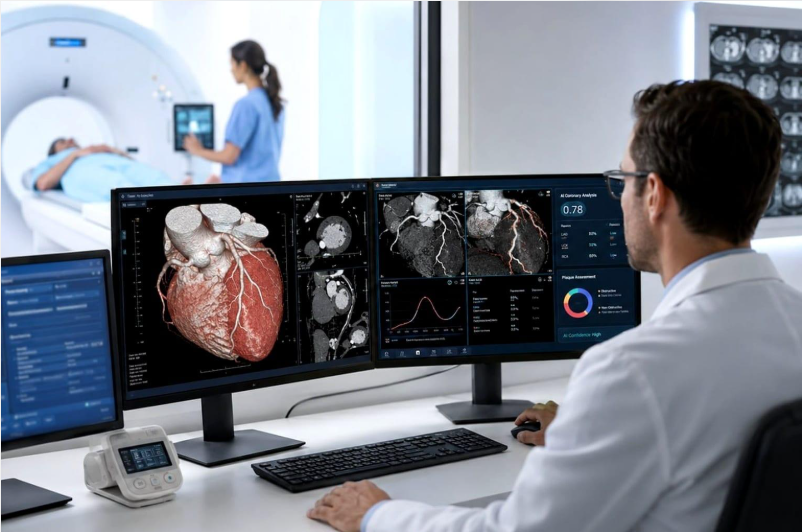
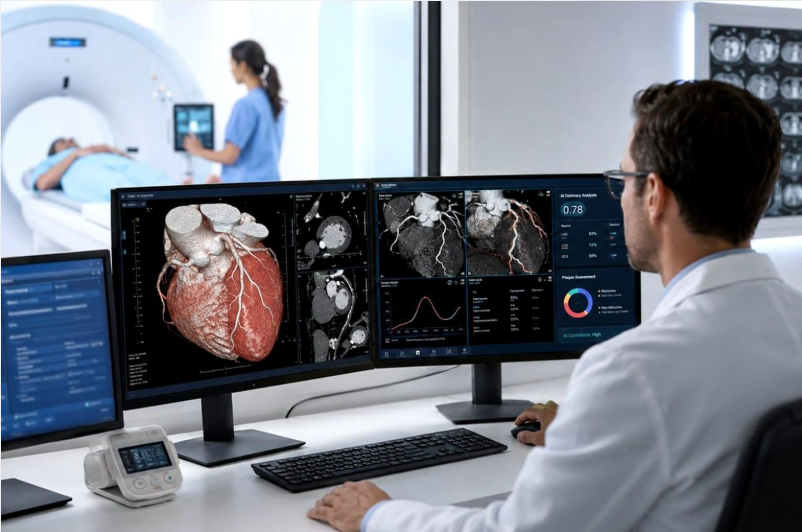
Coronary artery disease develops when plaque accumulates inside the arteries supplying blood to the heart. Plaque can narrow the arteries and restrict blood flow, causing chest discomfort or breathlessness. In some cases, plaque rupture triggers a blood clot that blocks an artery and causes a heart attack.
Standard imaging techniques provide important information about coronary arteries, but identifying which plaques are most likely to cause future problems remains a challenge. The UC Davis research team tested a catheter that combines two types of imaging to assess both the physical structure and biochemical composition of plaque.
In principle, combining these measurements could help physicians distinguish between different types of plaque and make better-informed decisions about treatment. The technology may eventually contribute to more personalised assessment of heart attack risk.
However, first-in-human testing is an early step in evaluating a medical device. Further studies are needed to establish diagnostic accuracy, procedural safety, usefulness in routine clinical practice and whether using the device improves patient outcomes.
The findings do not mean that existing cardiac tests should be replaced. People with chest pain, sudden breathlessness or other possible heart-attack symptoms should seek emergency medical care.
Story Photo Gallery
Dr. Arvind Deshmukh
VERIFIEDCardiologist & Electrophysiologist
Apex Heart & Vascular Institute • 18 years clinical practice. Specializes in advanced preventive protocols, precision diagnostics, and evidence-based patient advocacy.
Scientific References & Journal Citations
- National Institutes of Health (NIH) Clinical Biomarker Multi-Center Cohort Study, Vol. 48, 2026.
- Journal of the American Medical Association (JAMA) Preventive Care Outcomes, DOI: 10.1001/jama.2026.0482.
- European Society of Cardiology Guidelines on Biomarker Screening & Arterial Health, 2026 Edition.
Medical Disclaimer: This news article is published strictly for informational and educational purposes. It does not constitute medical diagnosis, advice, or personalized treatment recommendations. Always seek the advice of your physician or other qualified health provider with any questions regarding a medical condition.