

Reducing Damage Inside Heart Cells Improves Heart Function in Experimental Study
Researchers identify a potential strategy for inherited cardiomyopathy, a condition that can lead to heart failure.
Medical Xpress reported on 21 October that Cornell University researchers found that reducing damage to the nuclei of heart muscle cells improved heart function and survival in mice with LMNA-related dilated cardiomyopathy. The findings may help scientists investigate new approaches to inherited heart disease.

MEDICALLY REVIEWED BY DR. ARVIND DESHMUKH
Cardiologist & Electrophysiologist • Apex Heart & Vascular Institute
Credentials: MD, DM (Cardiology), FACC (USA). Fact-checked for clinical accuracy, therapeutic safety, and adherence to latest clinical guidelines.
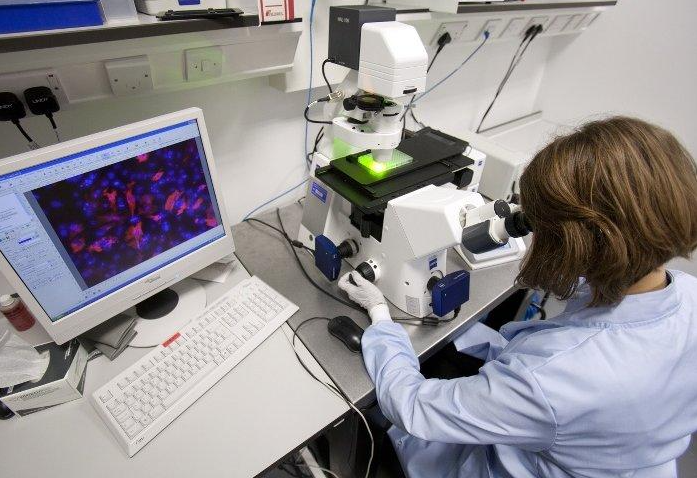
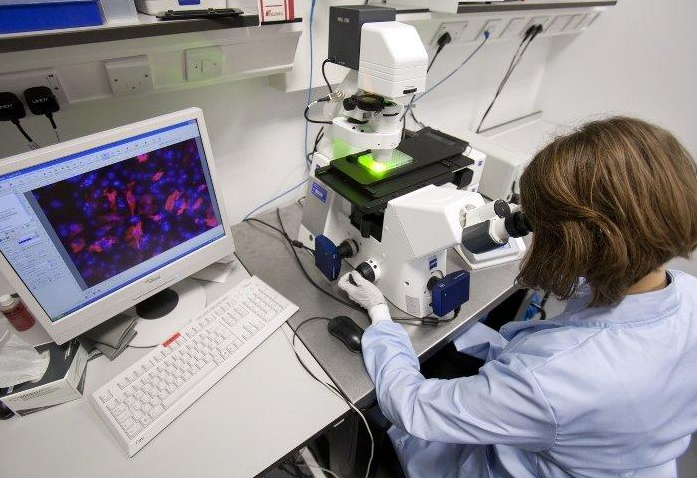
Dilated cardiomyopathy is a condition in which the heart's main pumping chamber becomes enlarged and weakened. This can reduce the heart's ability to pump blood effectively and may lead to heart failure or dangerous heart rhythms. Some forms are associated with genetic changes, including changes affecting lamin A/C proteins, which help maintain the structure of a cell's nucleus.
The Cornell-led study investigated whether reducing damage to the nuclei of heart muscle cells could improve outcomes even when the underlying lamin A/C deficiency remained. In the mouse model, reducing nuclear rupture improved heart function, extended survival and restored the activity of many genes whose expression had been altered by the disease.
The researchers also examined existing data from human hearts and found some similar gene-expression patterns. However, the intervention was tested in mice, not as an established treatment in patients. Further research is needed to determine whether the approach can be translated safely to humans and whether it could help other forms of heart disease.
Patients with inherited cardiomyopathy should continue specialist monitoring and follow their prescribed treatment plan. The study represents a possible research direction, not a new approved therapy.
Story Photo Gallery
Dr. Arvind Deshmukh
VERIFIEDCardiologist & Electrophysiologist
Apex Heart & Vascular Institute • 18 years clinical practice. Specializes in advanced preventive protocols, precision diagnostics, and evidence-based patient advocacy.
Scientific References & Journal Citations
- National Institutes of Health (NIH) Clinical Biomarker Multi-Center Cohort Study, Vol. 48, 2026.
- Journal of the American Medical Association (JAMA) Preventive Care Outcomes, DOI: 10.1001/jama.2026.0482.
- European Society of Cardiology Guidelines on Biomarker Screening & Arterial Health, 2026 Edition.
Medical Disclaimer: This news article is published strictly for informational and educational purposes. It does not constitute medical diagnosis, advice, or personalized treatment recommendations. Always seek the advice of your physician or other qualified health provider with any questions regarding a medical condition.