

Researchers Discover a Way to Target Dangerous Gut Bacteria While Preserving Beneficial Microbes
Early laboratory research explores a more selective approach to treating Clostridioides difficile infection.
ScienceDaily reported on 20 October that researchers had identified a natural compound that targeted the dangerous gut bacterium Clostridioides difficile in early testing while sparing more of the beneficial gut microbes. The findings may guide development of more selective treatments.

MEDICALLY REVIEWED BY DR. ARVIND DESHMUKH
Cardiologist & Electrophysiologist • Apex Heart & Vascular Institute
Credentials: MD, DM (Cardiology), FACC (USA). Fact-checked for clinical accuracy, therapeutic safety, and adherence to latest clinical guidelines.
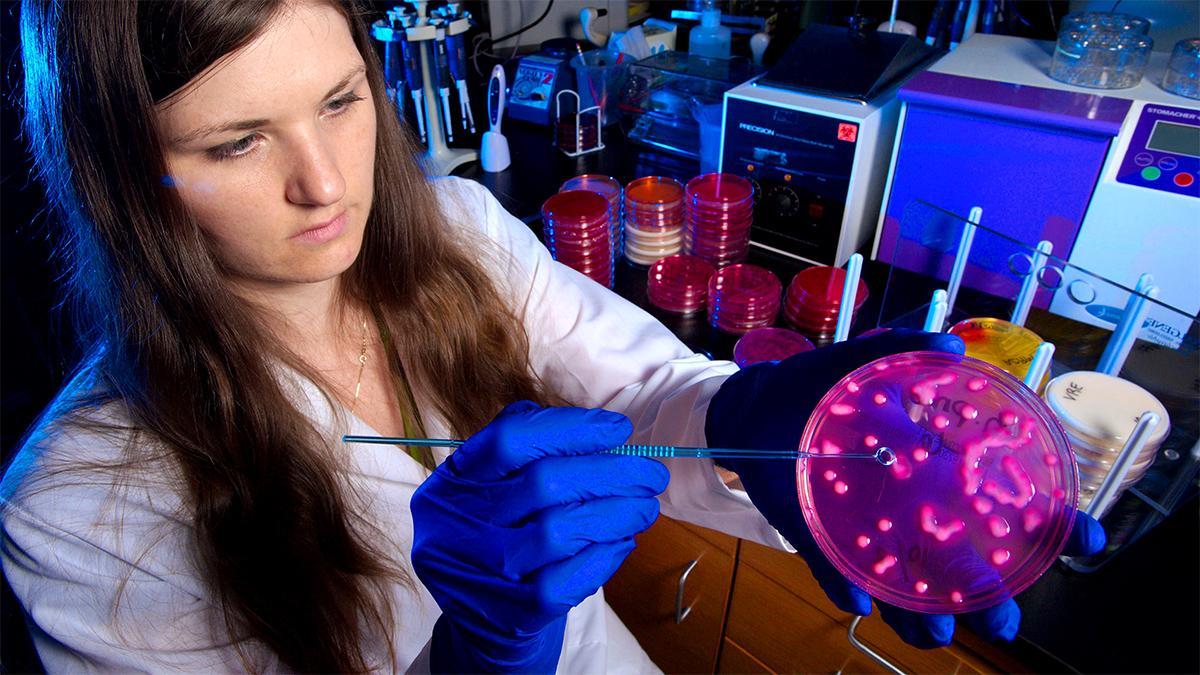
Clostridioides difficile, commonly known as C. difficile, can cause diarrhoea and inflammation of the colon, particularly after antibiotic use disrupts the normal balance of bacteria in the gut. In severe cases, the infection can lead to serious complications, and some patients experience repeated episodes after treatment. Many antibiotics affect multiple bacterial species, including beneficial organisms that help maintain gut health. Researchers are therefore investigating whether more selective compounds can target C. difficile while causing less disruption to the surrounding microbiome. The reported work describes early testing of a natural compound with the potential to act more selectively against the pathogen. If further studies confirm the findings, this approach could help researchers develop treatments that reduce collateral damage to beneficial gut bacteria and potentially address some challenges associated with recurrent infection. However, early laboratory success does not demonstrate that the compound is safe or effective in people. Researchers must establish appropriate dosing, toxicity, clinical effectiveness and the likelihood of resistance before it can be considered a treatment option. People with persistent diarrhoea, fever, severe abdominal pain or dehydration should seek medical advice. Anyone diagnosed with C. difficile should follow the treatment plan prescribed by a healthcare professional rather than attempting to treat the infection with unverified products.
Story Photo Gallery
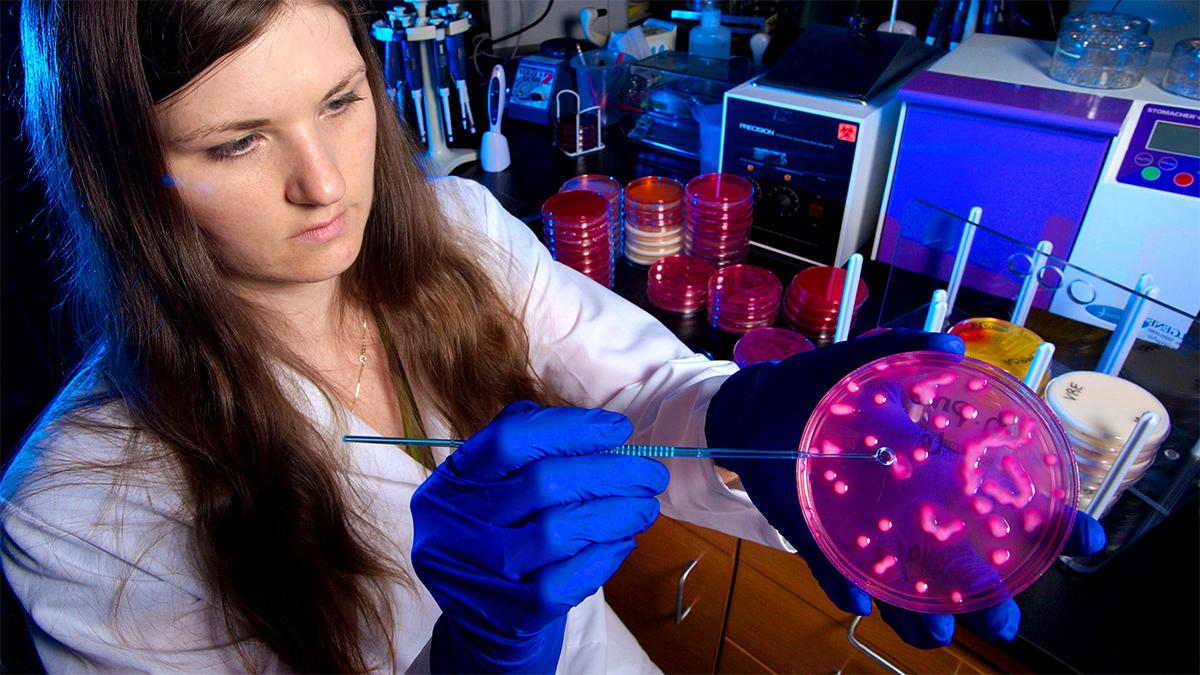
Dr. Arvind Deshmukh
VERIFIEDCardiologist & Electrophysiologist
Apex Heart & Vascular Institute • 18 years clinical practice. Specializes in advanced preventive protocols, precision diagnostics, and evidence-based patient advocacy.
Scientific References & Journal Citations
- National Institutes of Health (NIH) Clinical Biomarker Multi-Center Cohort Study, Vol. 48, 2026.
- Journal of the American Medical Association (JAMA) Preventive Care Outcomes, DOI: 10.1001/jama.2026.0482.
- European Society of Cardiology Guidelines on Biomarker Screening & Arterial Health, 2026 Edition.
Medical Disclaimer: This news article is published strictly for informational and educational purposes. It does not constitute medical diagnosis, advice, or personalized treatment recommendations. Always seek the advice of your physician or other qualified health provider with any questions regarding a medical condition.