

New Framework Aims to Make Tear-Based Health Sensors More Reliable
Researchers outline challenges that must be addressed before wearable sensors can reliably monitor health using tears.
Researchers from the Terasaki Institute for Biomedical Innovation, UC San Diego and USC have described a framework for improving tear-based wearable health sensors. The work examines how to make measurements more reliable for long-term health monitoring.

MEDICALLY REVIEWED BY DR. ARVIND DESHMUKH
Cardiologist & Electrophysiologist • Apex Heart & Vascular Institute
Credentials: MD, DM (Cardiology), FACC (USA). Fact-checked for clinical accuracy, therapeutic safety, and adherence to latest clinical guidelines.
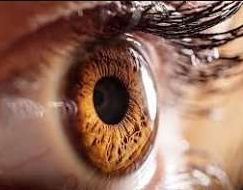
Tears contain biological molecules that researchers are investigating as potential indicators of health. This has prompted interest in wearable devices that could measure tear-fluid biomarkers and provide information without repeated blood draws.
However, developing reliable tear-based sensors is technically challenging. Tear volume can be very small, measurements can be influenced by environmental conditions and eye irritation, and concentrations of substances in tears do not always correspond directly to their concentrations in blood.
A new research perspective outlines steps needed to improve the reliability of these devices, including better sensor design, consistent measurement procedures and validation against established clinical tests.
If these challenges can be addressed, tear-based monitoring could eventually support research into hydration, inflammation and other physiological processes. But such devices are not yet a general replacement for standard laboratory testing.
The research is relevant to nutrition and general health monitoring because future wearable sensors may help scientists study how the body responds to food, hydration and changes in health. Clinical applications will require careful validation before consumers can rely on their readings.
Story Photo Gallery
Dr. Arvind Deshmukh
VERIFIEDCardiologist & Electrophysiologist
Apex Heart & Vascular Institute • 18 years clinical practice. Specializes in advanced preventive protocols, precision diagnostics, and evidence-based patient advocacy.
Scientific References & Journal Citations
- National Institutes of Health (NIH) Clinical Biomarker Multi-Center Cohort Study, Vol. 48, 2026.
- Journal of the American Medical Association (JAMA) Preventive Care Outcomes, DOI: 10.1001/jama.2026.0482.
- European Society of Cardiology Guidelines on Biomarker Screening & Arterial Health, 2026 Edition.
Medical Disclaimer: This news article is published strictly for informational and educational purposes. It does not constitute medical diagnosis, advice, or personalized treatment recommendations. Always seek the advice of your physician or other qualified health provider with any questions regarding a medical condition.