

Placenta Accreta Spectrum: Specialists Highlight Risks of a Serious Pregnancy Complication
New medical guidance explains why early recognition and specialist maternity care are important.
The University of Colorado Anschutz published an educational update on placenta accreta spectrum, a serious pregnancy condition in which the placenta attaches too deeply to the uterine wall. The condition can cause severe bleeding during delivery and may require specialist care.

MEDICALLY REVIEWED BY DR. ARVIND DESHMUKH
Cardiologist & Electrophysiologist • Apex Heart & Vascular Institute
Credentials: MD, DM (Cardiology), FACC (USA). Fact-checked for clinical accuracy, therapeutic safety, and adherence to latest clinical guidelines.
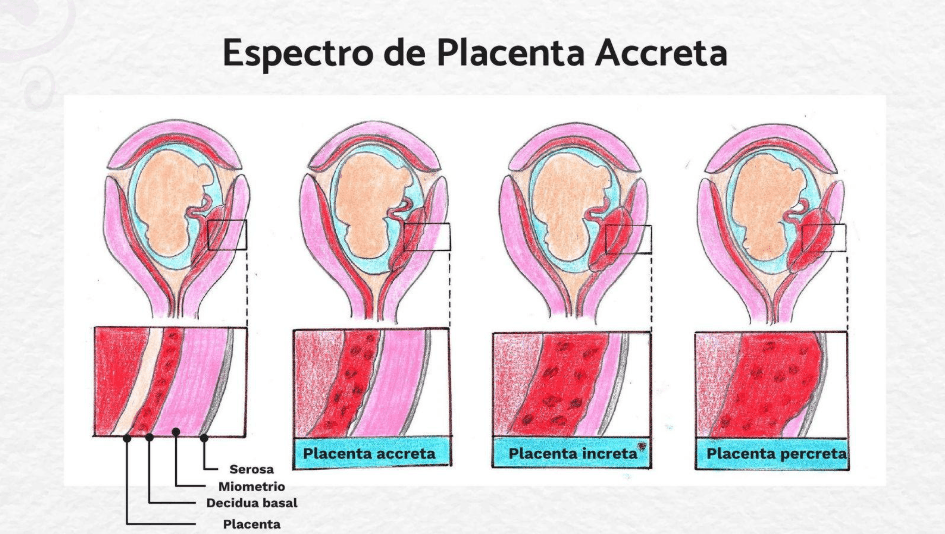
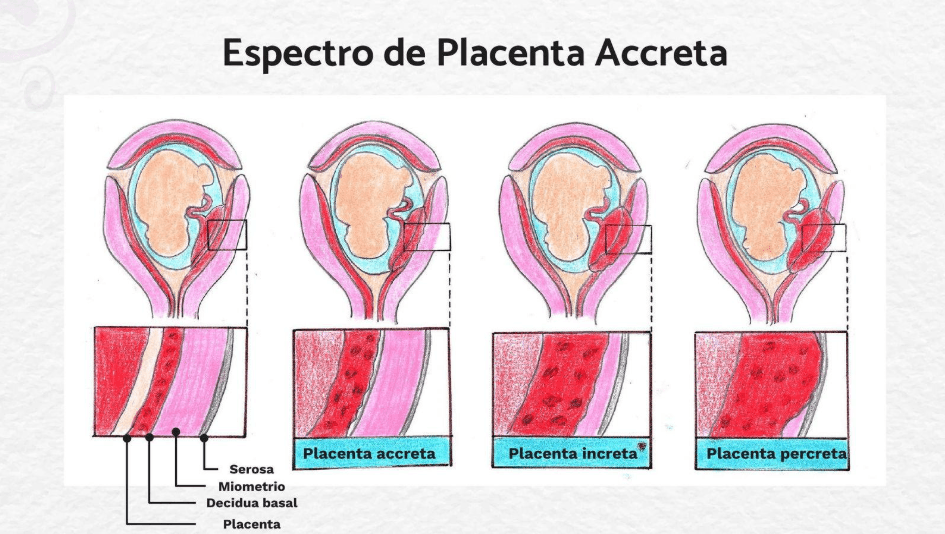
Placenta accreta spectrum refers to a group of pregnancy conditions in which the placenta attaches abnormally deeply to the wall of the uterus. In a typical pregnancy, the placenta separates from the uterine wall after the baby is delivered. With placenta accreta spectrum, this separation may be difficult or impossible because placental tissue has attached too deeply.
The condition can cause severe bleeding during childbirth and may require complex surgical management. The risk is higher among women with certain uterine scars, particularly those who have undergone previous caesarean deliveries, especially when placenta previa is also present.
Early identification is important because it allows the maternity team to plan delivery at a suitably equipped hospital. Care may involve obstetricians, anaesthetists, blood-bank specialists, surgeons and neonatal teams.
The University of Colorado Anschutz update explains the condition, its risk factors and treatment considerations. It is an educational clinical update, not a new clinical trial or evidence that the incidence of the condition has suddenly increased.
Story Photo Gallery
Dr. Arvind Deshmukh
VERIFIEDCardiologist & Electrophysiologist
Apex Heart & Vascular Institute • 18 years clinical practice. Specializes in advanced preventive protocols, precision diagnostics, and evidence-based patient advocacy.
Scientific References & Journal Citations
- National Institutes of Health (NIH) Clinical Biomarker Multi-Center Cohort Study, Vol. 48, 2026.
- Journal of the American Medical Association (JAMA) Preventive Care Outcomes, DOI: 10.1001/jama.2026.0482.
- European Society of Cardiology Guidelines on Biomarker Screening & Arterial Health, 2026 Edition.
Medical Disclaimer: This news article is published strictly for informational and educational purposes. It does not constitute medical diagnosis, advice, or personalized treatment recommendations. Always seek the advice of your physician or other qualified health provider with any questions regarding a medical condition.