

Researchers Find That Ovaries Remain Biologically Active After Menopause
A study suggests that postmenopausal ovaries continue to change rather than becoming completely inactive.
Research reported by Reuters on 16 October found that ovaries may continue to undergo biological changes for decades after menopause, including changes in tissue structure and inflammation-related proteins. The findings may help researchers investigate ovarian ageing and its relationship with disease.

MEDICALLY REVIEWED BY DR. ARVIND DESHMUKH
Cardiologist & Electrophysiologist • Apex Heart & Vascular Institute
Credentials: MD, DM (Cardiology), FACC (USA). Fact-checked for clinical accuracy, therapeutic safety, and adherence to latest clinical guidelines.
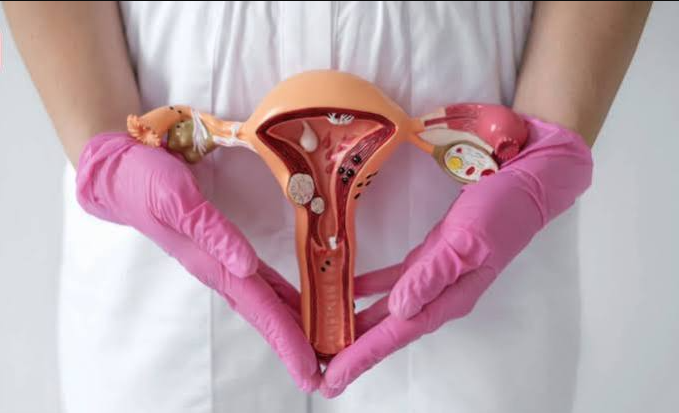
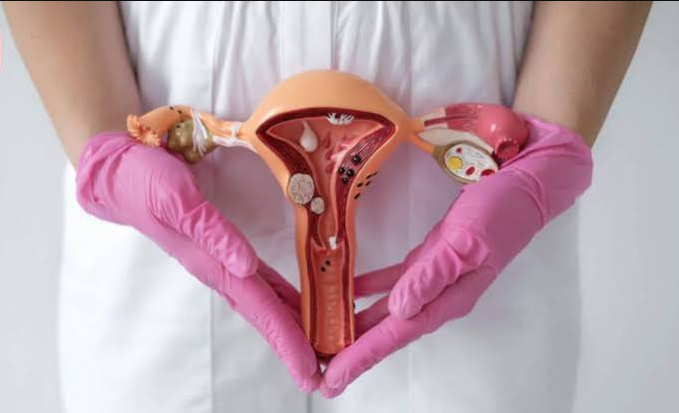
Menopause marks the end of menstrual cycles and reproductive function, but it does not necessarily mean that all ovarian biological activity stops. In the reported study, researchers examined 28 ovaries collected from women within 25 years after menopause. They found differences in protein patterns between younger and older postmenopausal tissue, including changes involving tissue maintenance, immune activity, inflammation and tissue remodelling. The research also identified similarities between some molecular patterns associated with ovarian ageing and proteins previously linked to ovarian cancer. This does not mean that normal ageing causes ovarian cancer, nor does it show that every postmenopausal woman is at high risk. The tissue examined appeared normal and cancer-free, and the findings require further investigation. The work could help scientists understand why ovarian tissue changes with age and whether particular biological markers might eventually support improved risk assessment or earlier diagnosis. It is not evidence that healthy ovaries should be removed after menopause. Postmenopausal women should seek medical evaluation for persistent abdominal swelling, pelvic pain, feeling full unusually quickly, or new urinary symptoms. These symptoms can have many causes, but persistent or unexplained changes should not be ignored.
Story Photo Gallery
Dr. Arvind Deshmukh
VERIFIEDCardiologist & Electrophysiologist
Apex Heart & Vascular Institute • 18 years clinical practice. Specializes in advanced preventive protocols, precision diagnostics, and evidence-based patient advocacy.
Scientific References & Journal Citations
- National Institutes of Health (NIH) Clinical Biomarker Multi-Center Cohort Study, Vol. 48, 2026.
- Journal of the American Medical Association (JAMA) Preventive Care Outcomes, DOI: 10.1001/jama.2026.0482.
- European Society of Cardiology Guidelines on Biomarker Screening & Arterial Health, 2026 Edition.
Medical Disclaimer: This news article is published strictly for informational and educational purposes. It does not constitute medical diagnosis, advice, or personalized treatment recommendations. Always seek the advice of your physician or other qualified health provider with any questions regarding a medical condition.