

Researchers Investigate Why Arthritis Can Return More Aggressively After Cancer Immunotherapy
Immune cells that retain a memory of earlier inflammation may contribute to recurrent joint symptoms.
ScienceDaily reported on 19 October that researchers studying arthritis associated with cancer immunotherapy found evidence that immune cells can remember earlier attacks and return in a more aggressive state. The findings could help scientists develop strategies to prevent recurrent joint inflammation.

MEDICALLY REVIEWED BY DR. ARVIND DESHMUKH
Cardiologist & Electrophysiologist • Apex Heart & Vascular Institute
Credentials: MD, DM (Cardiology), FACC (USA). Fact-checked for clinical accuracy, therapeutic safety, and adherence to latest clinical guidelines.
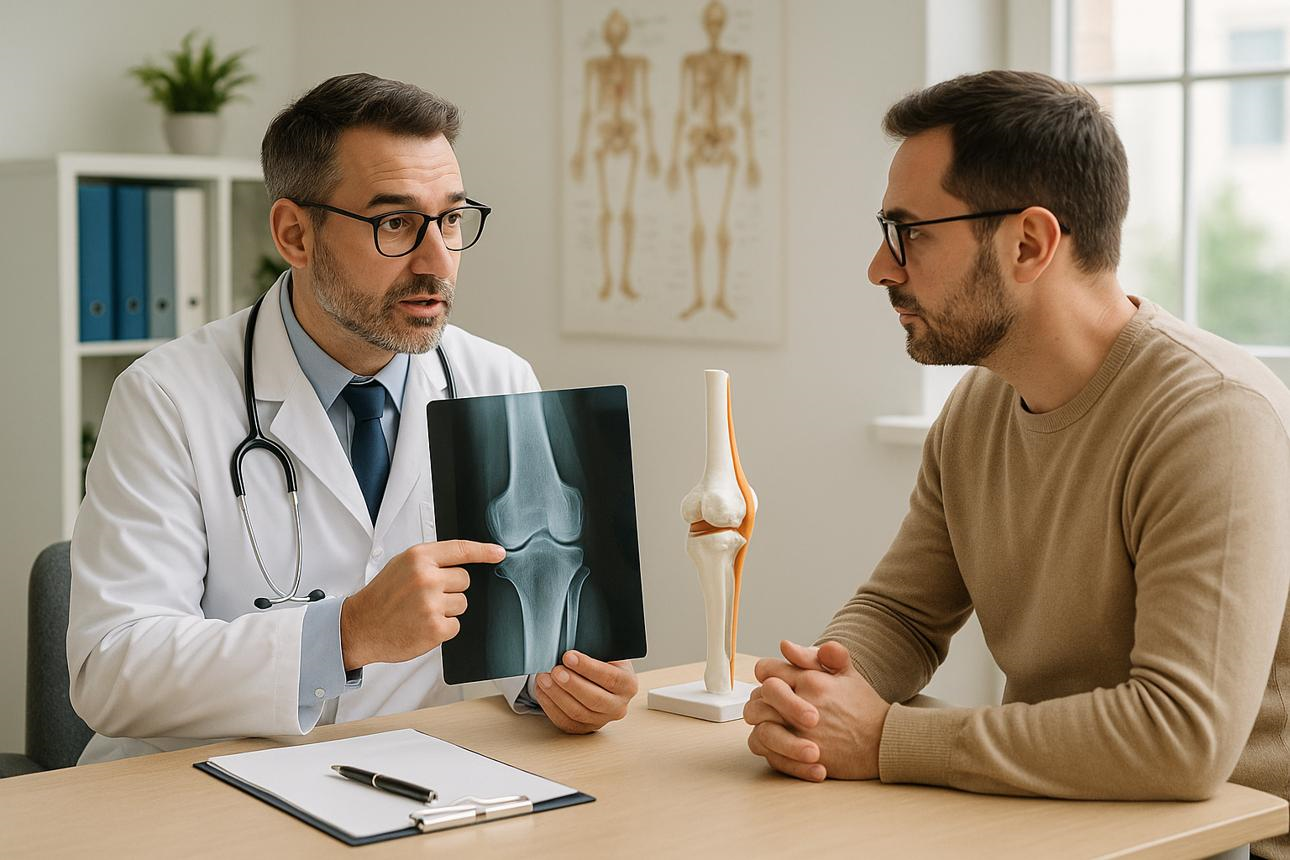
Some cancer immunotherapies activate the immune system to attack tumours, but they can also trigger inflammatory side effects in healthy tissues. In some patients, these immune-related adverse events affect the joints and cause pain, swelling and stiffness resembling inflammatory arthritis. The reported research investigated why arthritis symptoms can recur after an initial episode. Scientists found evidence that certain immune cells retain a memory of earlier inflammatory attacks and may return with a stronger response. This could help explain why joint inflammation sometimes persists or reappears even after the initial symptoms improve. Understanding this mechanism may eventually help clinicians identify patients at risk of recurrent arthritis and develop treatments that control inflammation without unnecessarily weakening the anti-cancer immune response. However, the findings are research-stage and do not establish a new standard treatment. People receiving cancer immunotherapy should report new or worsening joint pain, swelling or stiffness to their oncology team. They should not stop cancer treatment or begin anti-inflammatory medicines independently, because management requires balancing joint symptoms against cancer-treatment benefits and other medical risks.
Story Photo Gallery
Dr. Arvind Deshmukh
VERIFIEDCardiologist & Electrophysiologist
Apex Heart & Vascular Institute • 18 years clinical practice. Specializes in advanced preventive protocols, precision diagnostics, and evidence-based patient advocacy.
Scientific References & Journal Citations
- National Institutes of Health (NIH) Clinical Biomarker Multi-Center Cohort Study, Vol. 48, 2026.
- Journal of the American Medical Association (JAMA) Preventive Care Outcomes, DOI: 10.1001/jama.2026.0482.
- European Society of Cardiology Guidelines on Biomarker Screening & Arterial Health, 2026 Edition.
Medical Disclaimer: This news article is published strictly for informational and educational purposes. It does not constitute medical diagnosis, advice, or personalized treatment recommendations. Always seek the advice of your physician or other qualified health provider with any questions regarding a medical condition.