

Researchers Warn That Changes to Hepatitis B Birth-Dose Guidance Could Leave Some Infants Vulnerable
Household exposure data highlight why prevention strategies must consider more than maternal infection status.
Reuters reported on 23 October that researchers raised concerns about revised US hepatitis B vaccine guidance that prioritises the birth dose for infants whose mothers have hepatitis B or an unknown infection status. A study of approximately 158,000 children in northern California found that some children lived with another household member who had an active infection.

MEDICALLY REVIEWED BY DR. ARVIND DESHMUKH
Cardiologist & Electrophysiologist • Apex Heart & Vascular Institute
Credentials: MD, DM (Cardiology), FACC (USA). Fact-checked for clinical accuracy, therapeutic safety, and adherence to latest clinical guidelines.
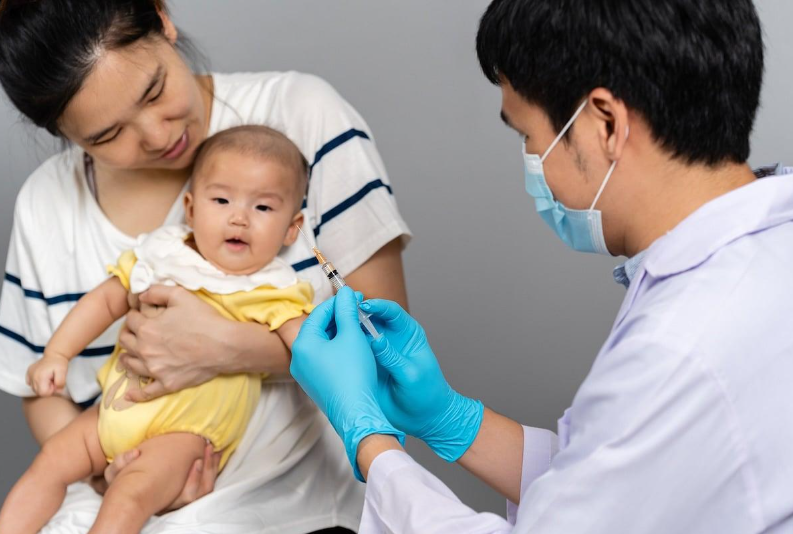
Hepatitis B is a viral infection that affects the liver and can become chronic. Infection acquired during infancy is particularly concerning because infants have a much higher risk of developing long-term infection than adults. Chronic hepatitis B can later lead to cirrhosis, liver failure or liver cancer.
The Reuters report describes research examining household exposure among children in northern California. Investigators found that some children lived with someone other than their mother who had an active hepatitis B infection. This raises a public-health question about whether relying primarily on maternal infection status could miss some potential sources of exposure.
The findings are relevant to the debate over universal versus risk-based vaccination at birth. A universal birth dose can provide a safety net against infection when a household exposure is not recognised or when maternal testing does not identify the risk. The precise recommendations vary by country and public-health authority.
The report concerns US guidance and should not be interpreted as a change to India's vaccination schedule. Parents should follow the immunisation recommendations issued by their local health authorities and consult their child's paediatrician if they have questions about hepatitis B vaccination.
Story Photo Gallery
Dr. Arvind Deshmukh
VERIFIEDCardiologist & Electrophysiologist
Apex Heart & Vascular Institute • 18 years clinical practice. Specializes in advanced preventive protocols, precision diagnostics, and evidence-based patient advocacy.
Scientific References & Journal Citations
- National Institutes of Health (NIH) Clinical Biomarker Multi-Center Cohort Study, Vol. 48, 2026.
- Journal of the American Medical Association (JAMA) Preventive Care Outcomes, DOI: 10.1001/jama.2026.0482.
- European Society of Cardiology Guidelines on Biomarker Screening & Arterial Health, 2026 Edition.
Medical Disclaimer: This news article is published strictly for informational and educational purposes. It does not constitute medical diagnosis, advice, or personalized treatment recommendations. Always seek the advice of your physician or other qualified health provider with any questions regarding a medical condition.