

Robotic Technology May Improve Precision and Recovery in Knee Replacement Surgery, Experts Say
Orthopedic specialists discuss how robotic-assisted procedures can help surgeons plan and perform knee replacement operations with greater precision.
Orthopedic experts discussed the role of robotic technology in knee replacement surgery in a report published on 27 November 2026. Robotic-assisted systems may help surgeons improve implant positioning, personalise surgical planning, and support more precise procedures. Experts also discussed the potential effects on recovery and rehabilitation, while emphasising that outcomes depend on the patient and surgical team.

MEDICALLY REVIEWED BY DR. ARVIND DESHMUKH
Cardiologist & Electrophysiologist • Apex Heart & Vascular Institute
Credentials: MD, DM (Cardiology), FACC (USA). Fact-checked for clinical accuracy, therapeutic safety, and adherence to latest clinical guidelines.
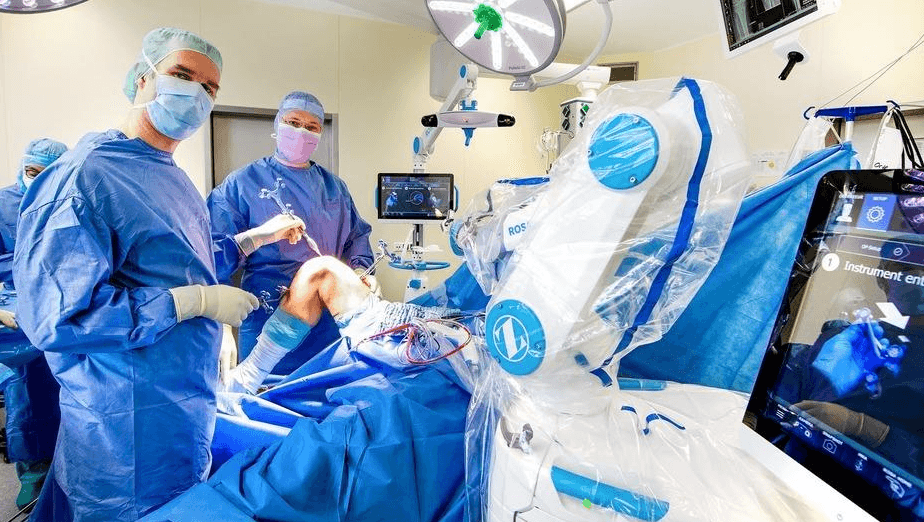
Knee replacement surgery is commonly performed in patients with severe knee damage, particularly those affected by osteoarthritis, chronic pain, reduced mobility, and difficulty performing everyday activities.
Osteoarthritis occurs when the protective cartilage covering the ends of bones gradually deteriorates. This can lead to pain, stiffness, swelling, reduced movement, and functional limitations.
When non-surgical treatments such as medications, physical therapy, activity modification, and other approaches no longer provide sufficient relief, knee replacement surgery may be considered.
Traditional knee replacement surgery involves removing damaged joint surfaces and replacing them with artificial components.
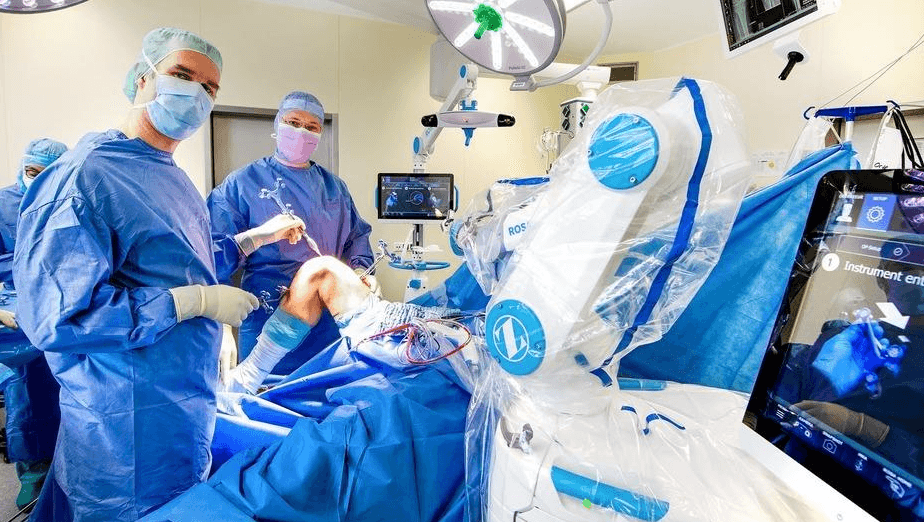
Robotic-assisted surgical systems are increasingly being introduced into orthopedic procedures.
A report published on 27 November 2026 discussed how robotic technology may improve precision and recovery in knee replacement surgery.Robotic-assisted systems can help surgeons plan the procedure using patient-specific information and assist with aspects of bone preparation and implant positioning.
The technology may allow surgeons to assess joint alignment, balance, and other surgical parameters during the procedure.
Improved surgical planning and implant positioning may potentially help patients achieve better joint function and reduce certain complications.
However, robotic systems do not independently perform the entire operation. The surgeon remains responsible for clinical decisions, surgical execution, and patient care.
The benefits of robotic-assisted knee replacement may vary depending on the technology used, the surgeon's experience, the patient's anatomy, and the severity of the joint condition.
Recovery also depends on several factors, including age, overall health, rehabilitation, pain management, and the patient's ability to participate in physical therapy.
Patients considering knee replacement should discuss conventional and robotic-assisted procedures with an orthopedic surgeon and understand the expected benefits, risks, costs, and recovery requirements.
The development highlights the growing role of technology in orthopedic surgery and the continuing effort to improve surgical precision and patient outcomes.
Story Photo Gallery
Dr. Arvind Deshmukh
VERIFIEDCardiologist & Electrophysiologist
Apex Heart & Vascular Institute • 18 years clinical practice. Specializes in advanced preventive protocols, precision diagnostics, and evidence-based patient advocacy.
Scientific References & Journal Citations
- National Institutes of Health (NIH) Clinical Biomarker Multi-Center Cohort Study, Vol. 48, 2026.
- Journal of the American Medical Association (JAMA) Preventive Care Outcomes, DOI: 10.1001/jama.2026.0482.
- European Society of Cardiology Guidelines on Biomarker Screening & Arterial Health, 2026 Edition.
Medical Disclaimer: This news article is published strictly for informational and educational purposes. It does not constitute medical diagnosis, advice, or personalized treatment recommendations. Always seek the advice of your physician or other qualified health provider with any questions regarding a medical condition.