

Scientific Validation Remains Essential for the Safe Use of Ayurvedic Medicinal Plants
Botanical identification, ingredient quality and clinical evidence remain important areas for traditional-medicine research.
Ayurveda uses a wide range of medicinal plants and herbal preparations as part of its traditional healthcare system. Their safe and consistent use depends on correct plant identification, appropriate preparation, quality control and an understanding of possible side effects.

MEDICALLY REVIEWED BY DR. ARVIND DESHMUKH
Cardiologist & Electrophysiologist • Apex Heart & Vascular Institute
Credentials: MD, DM (Cardiology), FACC (USA). Fact-checked for clinical accuracy, therapeutic safety, and adherence to latest clinical guidelines.
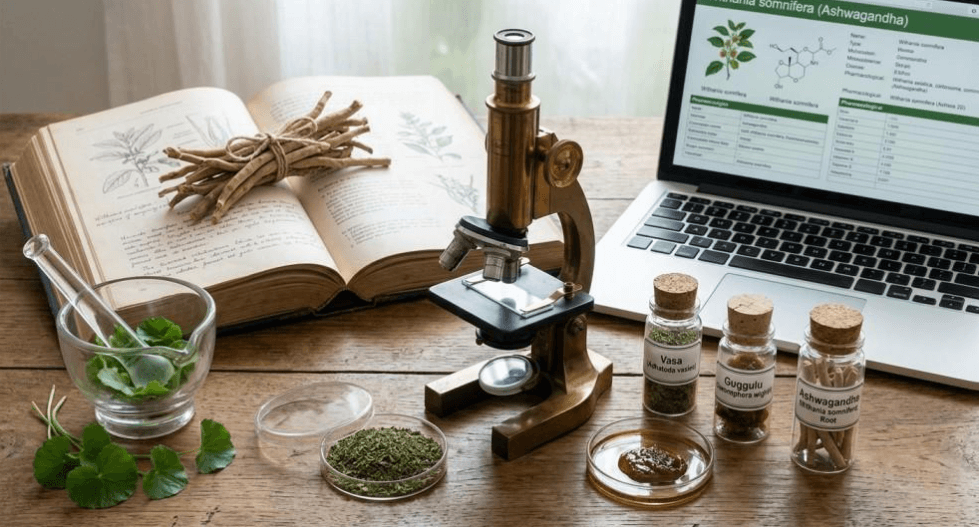
Ayurveda uses a wide range of medicinal plants and herbal preparations as part of its traditional healthcare system. Their safe and consistent use depends on correct plant identification, appropriate preparation, quality control and an understanding of possible side effects.
Different plants can have similar regional names, while the same plant may be known by several names in different languages. This can create difficulties in sourcing, documentation and scientific research.
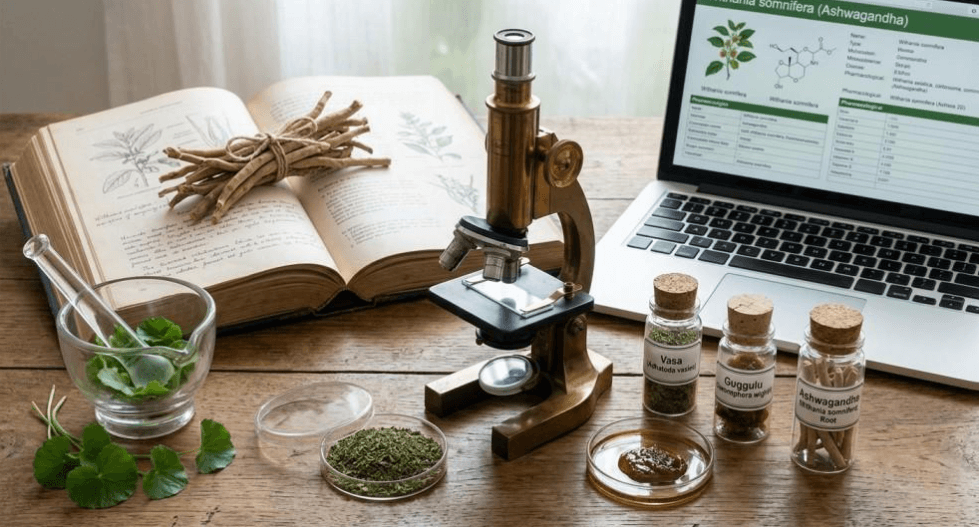
Standardisation helps researchers and manufacturers establish the correct botanical identity, chemical composition and quality of herbal ingredients.
Scientific assessment is also important because natural products can interact with prescription medicines, vary in strength and sometimes contain contaminants or undeclared ingredients.
Clinical research is necessary to determine whether a particular Ayurvedic preparation is effective and safe for a specific condition. Traditional use alone is not sufficient evidence of clinical benefit.
Patients should inform their doctors about herbal medicines they use, particularly if they are pregnant, have chronic health conditions or take regular prescription medication.
Story Photo Gallery
Dr. Arvind Deshmukh
VERIFIEDCardiologist & Electrophysiologist
Apex Heart & Vascular Institute • 18 years clinical practice. Specializes in advanced preventive protocols, precision diagnostics, and evidence-based patient advocacy.
Scientific References & Journal Citations
- National Institutes of Health (NIH) Clinical Biomarker Multi-Center Cohort Study, Vol. 48, 2026.
- Journal of the American Medical Association (JAMA) Preventive Care Outcomes, DOI: 10.1001/jama.2026.0482.
- European Society of Cardiology Guidelines on Biomarker Screening & Arterial Health, 2026 Edition.
Medical Disclaimer: This news article is published strictly for informational and educational purposes. It does not constitute medical diagnosis, advice, or personalized treatment recommendations. Always seek the advice of your physician or other qualified health provider with any questions regarding a medical condition.