

Targeting an Immune Signaling Pathway Could Offer a New Direction for Osteoporosis Research
Researchers investigate whether controlling the STING pathway could help reduce inflammation-related bone loss.
Research reported on 15 October 2026 highlighted the STING signaling pathway as a potential target for preventing osteoporosis. The pathway participates in cellular immune responses, and researchers are investigating how its activity may influence inflammation and the balance between bone formation and bone breakdown. The findings offer a possible direction for future drug development, but they do not establish an approved new osteoporosis treatment.

MEDICALLY REVIEWED BY DR. ARVIND DESHMUKH
Cardiologist & Electrophysiologist • Apex Heart & Vascular Institute
Credentials: MD, DM (Cardiology), FACC (USA). Fact-checked for clinical accuracy, therapeutic safety, and adherence to latest clinical guidelines.
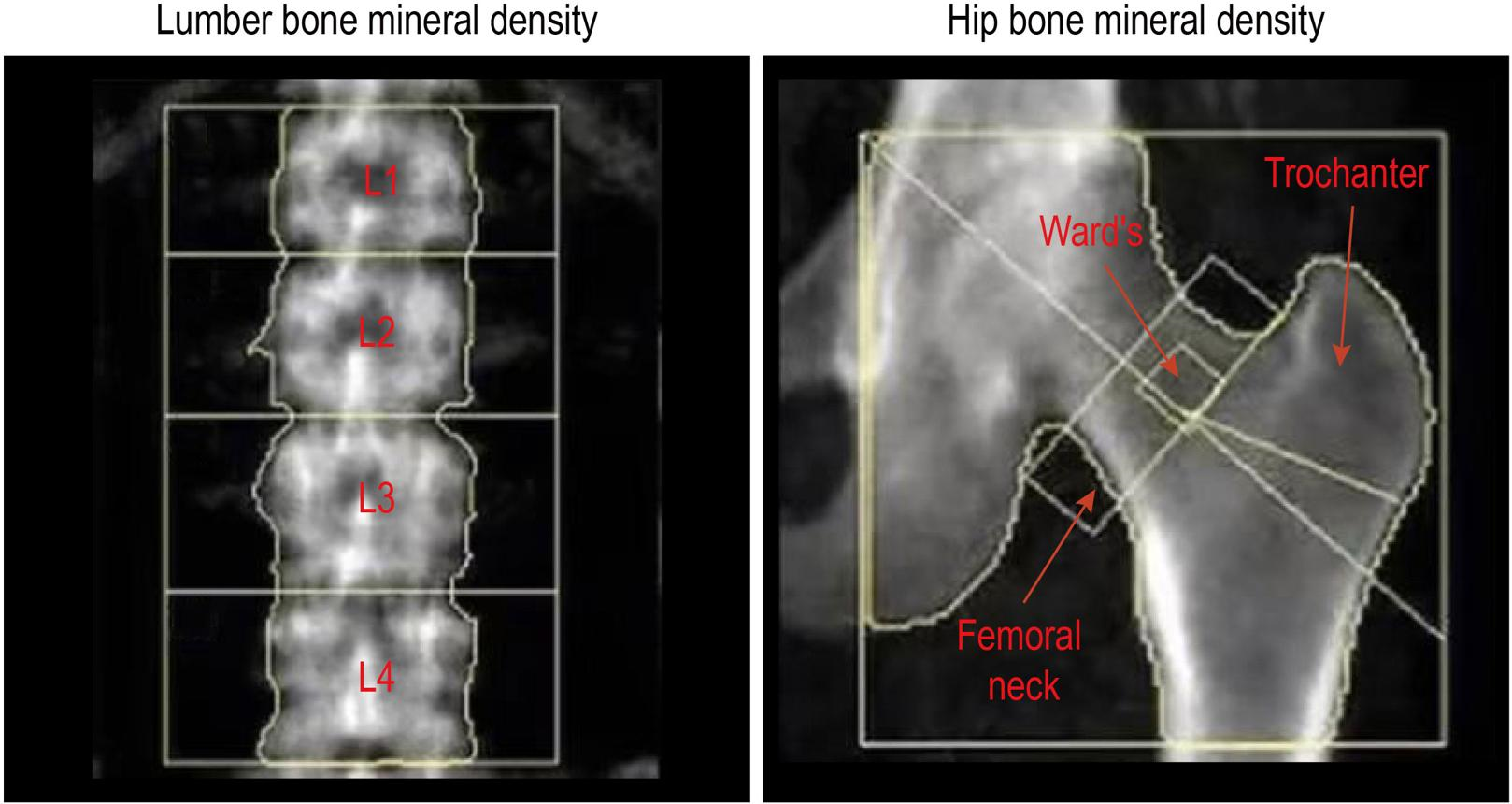
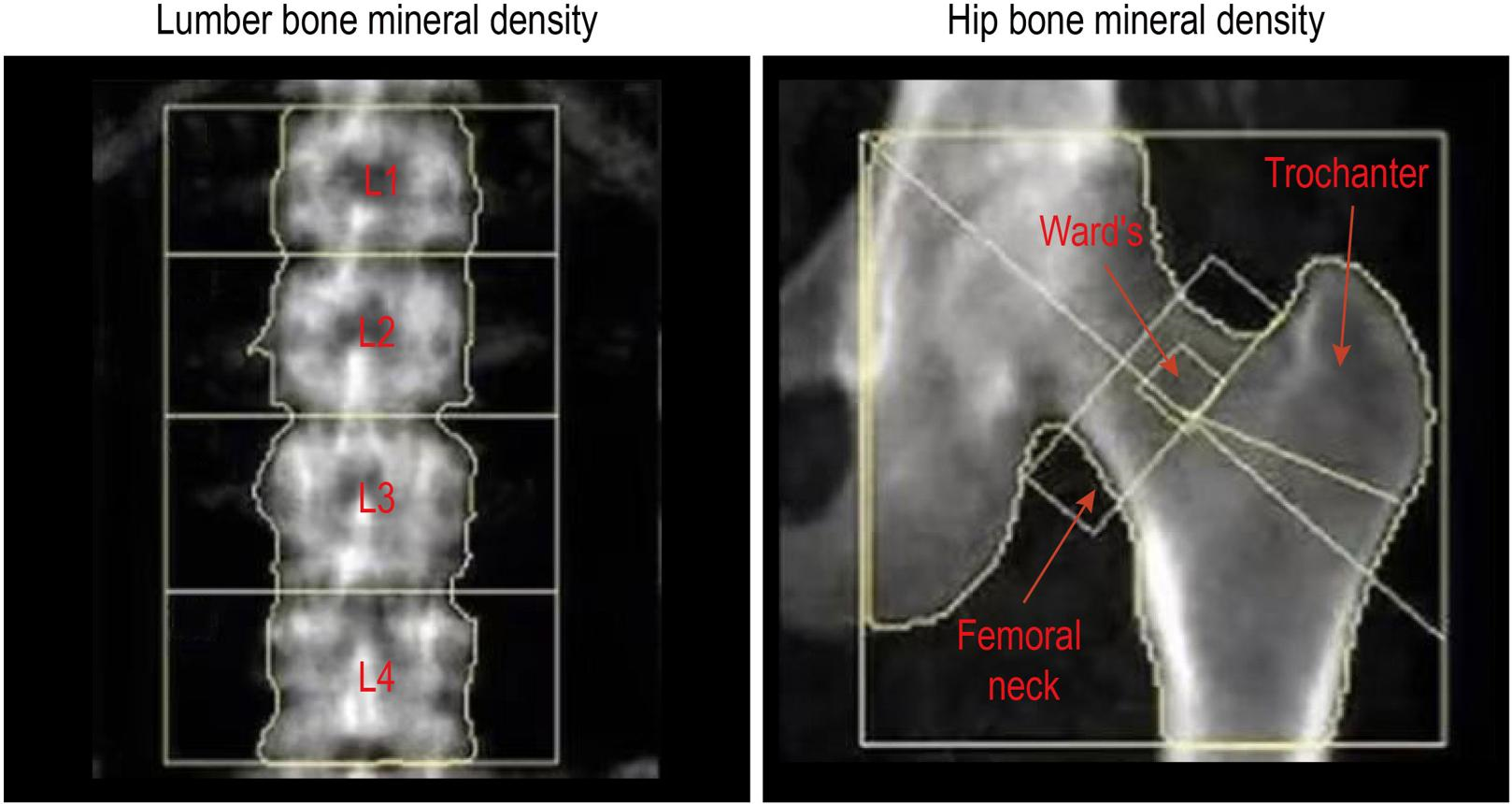
Osteoporosis is a skeletal disorder in which bone strength decreases, making fractures more likely. It often develops without noticeable symptoms until a fracture occurs, which may involve the hip, spine, wrist, or other bones. Bone is living tissue that undergoes continuous remodeling. Specialized cells break down old bone, while other cells produce new bone. Healthy skeletal function depends on maintaining an appropriate balance between these processes. As people age, changes in hormone levels, physical activity, nutrition, and cellular function can shift this balance toward bone loss. Inflammation may also contribute to changes in the bone marrow environment and affect the activity of cells involved in bone remodeling. The STING pathway is part of the body's cellular signaling machinery and is involved in responses to certain forms of cellular stress and abnormal DNA. Researchers are investigating whether excessive or dysregulated activity in this pathway contributes to inflammatory changes that promote bone loss. Research reported on 15 October 2026 identified targeting the STING pathway as a potential direction for osteoporosis treatment development. The underlying scientific question is whether modifying this pathway could help preserve bone density or reduce the processes that weaken bone structure. However, the biological mechanisms involved are complex. A pathway that has one effect in a particular cell type may have different effects in other tissues. Any potential treatment would need to demonstrate that it can improve bone outcomes without causing unacceptable immune or other adverse effects. Established osteoporosis management may include fracture-risk assessment, appropriate calcium and vitamin D intake, weight-bearing activity, resistance exercise, fall prevention, and prescribed medication for patients whose fracture risk warrants treatment. Medical significance: The research may contribute to future osteoporosis drug development, but further testing is needed before a STING-targeted treatment could be recommended clinically. People at increased fracture risk should not delay established assessment or discontinue prescribed bone-protective medication.
Story Photo Gallery
Dr. Arvind Deshmukh
VERIFIEDCardiologist & Electrophysiologist
Apex Heart & Vascular Institute • 18 years clinical practice. Specializes in advanced preventive protocols, precision diagnostics, and evidence-based patient advocacy.
Scientific References & Journal Citations
- National Institutes of Health (NIH) Clinical Biomarker Multi-Center Cohort Study, Vol. 48, 2026.
- Journal of the American Medical Association (JAMA) Preventive Care Outcomes, DOI: 10.1001/jama.2026.0482.
- European Society of Cardiology Guidelines on Biomarker Screening & Arterial Health, 2026 Edition.
Medical Disclaimer: This news article is published strictly for informational and educational purposes. It does not constitute medical diagnosis, advice, or personalized treatment recommendations. Always seek the advice of your physician or other qualified health provider with any questions regarding a medical condition.