

Brain Activity Patterns May Predict Alzheimer's Disease Years Before Memory Loss
Stanford researchers identify brain signals associated with future cognitive decline and resistance to ageing-related memory problems.
Stanford Medicine researchers reported that patterns of resting brain activity may help predict Alzheimer's disease and cognitive decline years before noticeable memory problems develop. The findings were published in Science Advances.

MEDICALLY REVIEWED BY DR. ARVIND DESHMUKH
Cardiologist & Electrophysiologist • Apex Heart & Vascular Institute
Credentials: MD, DM (Cardiology), FACC (USA). Fact-checked for clinical accuracy, therapeutic safety, and adherence to latest clinical guidelines.
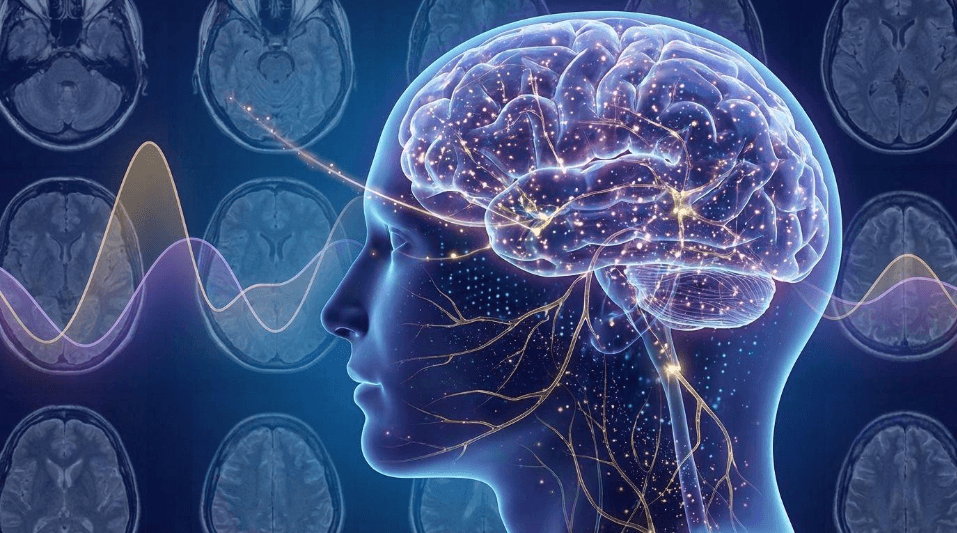
Alzheimer's disease is a progressive neurological condition that affects memory, thinking and the ability to perform everyday activities. Changes in the brain can begin many years before a person develops noticeable symptoms.
The Stanford Medicine research investigated whether patterns of brain activity could provide early information about a person's vulnerability to cognitive decline.
Researchers first examined resting brain activity in adults aged 75 and above, including people diagnosed with Alzheimer's disease and individuals known as super-agers, whose memory performance remained unusually strong for their age.
Using these patterns, the team developed a scoring system that was subsequently applied to adults aged 55–70 who did not show obvious cognitive impairment.
The researchers found that more Alzheimer's-like brain activity patterns were associated with a greater likelihood of future cognitive decline, amyloid-beta plaque development and Alzheimer's diagnosis over the following 12 years. Patterns associated with super-agers were linked to greater resilience.
The research suggests that brain activity could potentially become an early biomarker for identifying people at risk of cognitive decline. However, the approach still requires further validation before it can be used as a routine clinical screening test.
Story Photo Gallery
Dr. Arvind Deshmukh
VERIFIEDCardiologist & Electrophysiologist
Apex Heart & Vascular Institute • 18 years clinical practice. Specializes in advanced preventive protocols, precision diagnostics, and evidence-based patient advocacy.
Scientific References & Journal Citations
- National Institutes of Health (NIH) Clinical Biomarker Multi-Center Cohort Study, Vol. 48, 2026.
- Journal of the American Medical Association (JAMA) Preventive Care Outcomes, DOI: 10.1001/jama.2026.0482.
- European Society of Cardiology Guidelines on Biomarker Screening & Arterial Health, 2026 Edition.
Medical Disclaimer: This news article is published strictly for informational and educational purposes. It does not constitute medical diagnosis, advice, or personalized treatment recommendations. Always seek the advice of your physician or other qualified health provider with any questions regarding a medical condition.