

Brain-Computer Interface Helps Unresponsive ICU Patients Control Sounds in a Research Study
Non-invasive brainwave recordings enabled selected patients to change the pitch of a sound using their brain activity.
News-Medical reported on 23 October that a Columbia-led study used non-invasive EEG electrodes to detect brain activity in unresponsive intensive-care patients. Participants were able to influence the frequency of a beeping sound through a brain-computer interface.

MEDICALLY REVIEWED BY DR. ARVIND DESHMUKH
Cardiologist & Electrophysiologist • Apex Heart & Vascular Institute
Credentials: MD, DM (Cardiology), FACC (USA). Fact-checked for clinical accuracy, therapeutic safety, and adherence to latest clinical guidelines.
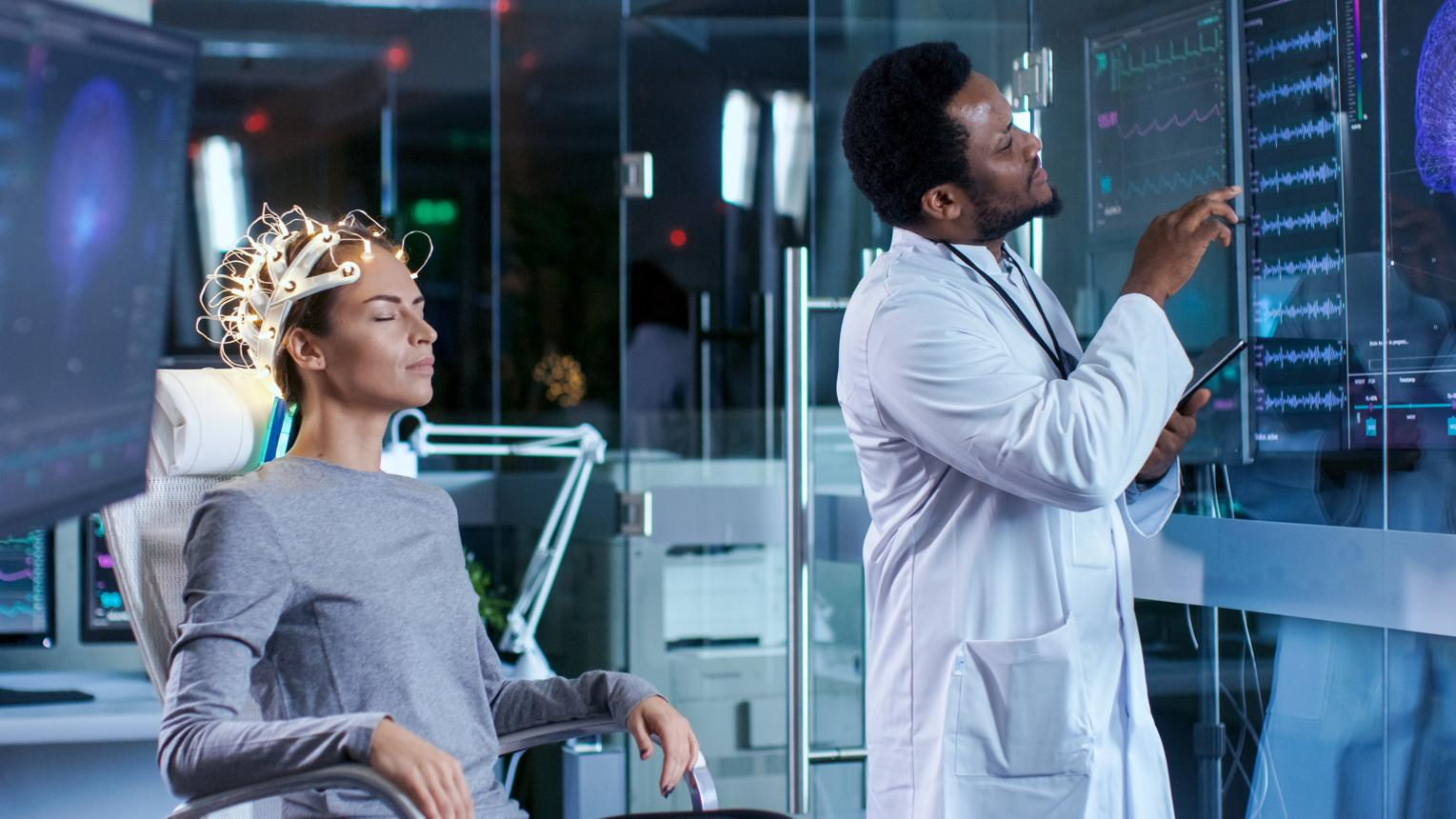
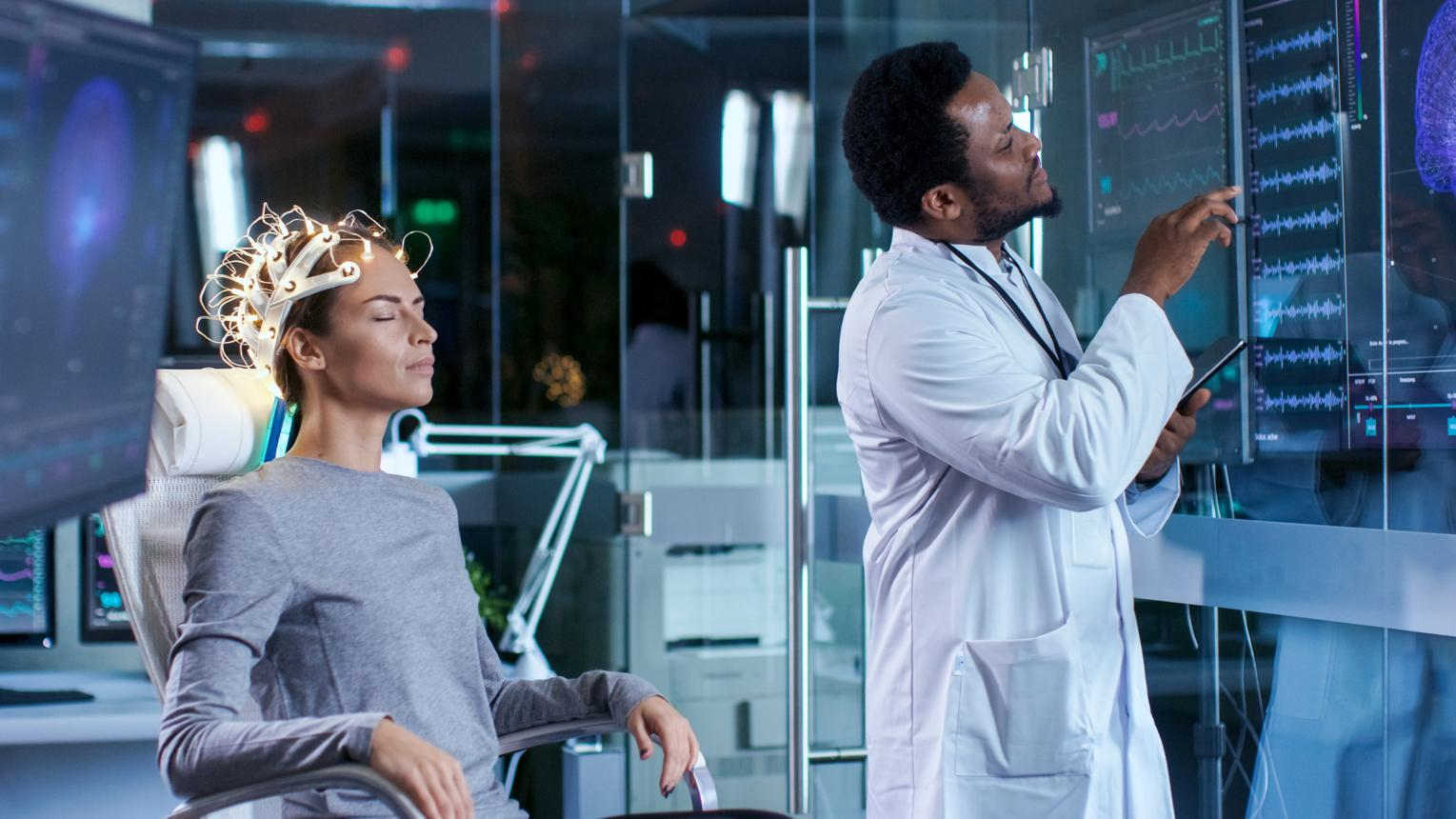
Patients who are unresponsive in intensive care can present a difficult assessment challenge. A person may be unable to move or communicate even when some degree of awareness is present. Reliable methods for detecting intentional brain activity could potentially provide clinicians with additional information when assessing consciousness. The reported research used electroencephalography, or EEG, to record electrical signals from the scalp. A computer system analysed those signals and translated particular brain activity into changes in the pitch of a sound. The task was designed to test whether patients could intentionally modulate a response without relying on visible movement. The findings illustrate the potential of non-invasive brain-computer interfaces in clinical assessment. However, success on a specific task does not establish that every unresponsive patient is conscious or capable of communication. The technique requires further validation, and interpretation must account for brain injury, sedation, signal quality and other clinical factors. The research is not yet a substitute for a comprehensive neurological examination. Its future value will depend on whether it can reliably identify intentional responses and improve decisions about patient care.
Story Photo Gallery
Dr. Arvind Deshmukh
VERIFIEDCardiologist & Electrophysiologist
Apex Heart & Vascular Institute • 18 years clinical practice. Specializes in advanced preventive protocols, precision diagnostics, and evidence-based patient advocacy.
Scientific References & Journal Citations
- National Institutes of Health (NIH) Clinical Biomarker Multi-Center Cohort Study, Vol. 48, 2026.
- Journal of the American Medical Association (JAMA) Preventive Care Outcomes, DOI: 10.1001/jama.2026.0482.
- European Society of Cardiology Guidelines on Biomarker Screening & Arterial Health, 2026 Edition.
Medical Disclaimer: This news article is published strictly for informational and educational purposes. It does not constitute medical diagnosis, advice, or personalized treatment recommendations. Always seek the advice of your physician or other qualified health provider with any questions regarding a medical condition.