

New Study Investigates Brain-Derived Neurotrophic Factor in Children With Acute Encephalitis Syndrome
Researchers examine whether a protein involved in neuronal survival could help explain brain injury in childhood encephalitis.
A prospective observational study published in the Journal of Clinical and Diagnostic Research examined cerebrospinal fluid levels of brain-derived neurotrophic factor (BDNF) in 80 children with acute encephalitis syndrome. The researchers found no significant differences in BDNF levels across the different causes or clinical outcomes examined.

MEDICALLY REVIEWED BY DR. ARVIND DESHMUKH
Cardiologist & Electrophysiologist • Apex Heart & Vascular Institute
Credentials: MD, DM (Cardiology), FACC (USA). Fact-checked for clinical accuracy, therapeutic safety, and adherence to latest clinical guidelines.
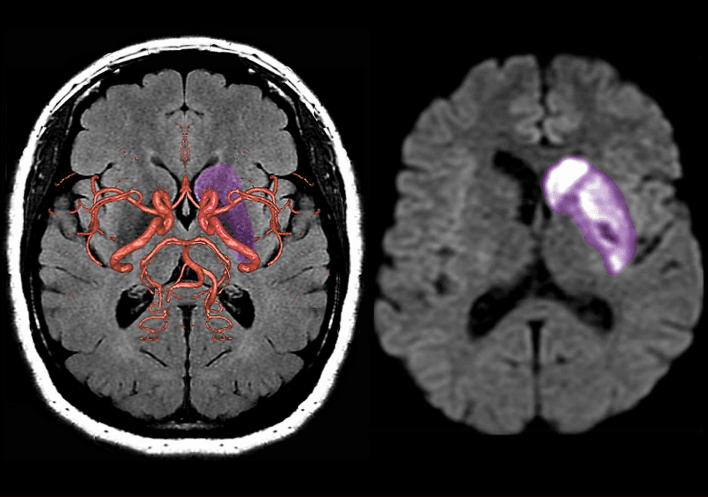
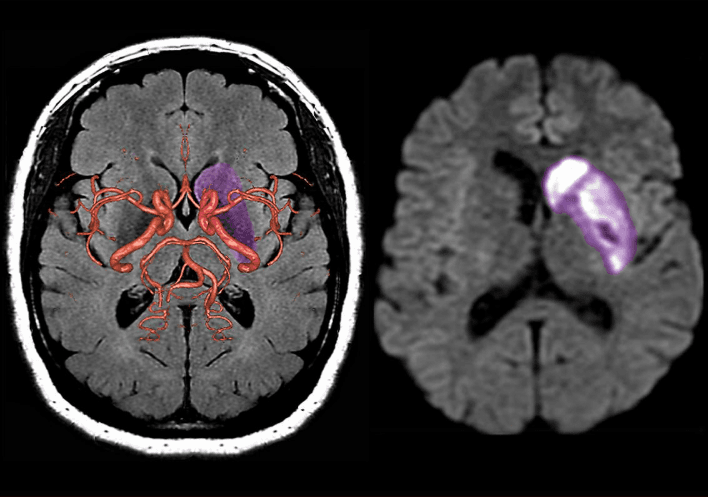
Acute encephalitis syndrome is a serious condition involving sudden fever and neurological symptoms such as altered consciousness or seizures. It can affect children and may lead to serious complications, including long-term neurological impairment or death.
Brain-derived neurotrophic factor is a protein involved in the survival, development and functioning of nerve cells. Researchers have been studying whether BDNF levels in cerebrospinal fluid could provide information about brain injury and the body's response to inflammation.
The study included 80 children treated at medical institutions in Uttar Pradesh. Researchers measured BDNF levels in cerebrospinal fluid and compared the findings across different suspected causes of encephalitis and clinical outcomes.
The study did not identify significant differences in BDNF levels between the groups. Although the protein remains of scientific interest, the findings do not establish it as a reliable diagnostic or prognostic marker for acute encephalitis syndrome. Larger studies are needed to investigate its potential role.
Story Photo Gallery
Dr. Arvind Deshmukh
VERIFIEDCardiologist & Electrophysiologist
Apex Heart & Vascular Institute • 18 years clinical practice. Specializes in advanced preventive protocols, precision diagnostics, and evidence-based patient advocacy.
Scientific References & Journal Citations
- National Institutes of Health (NIH) Clinical Biomarker Multi-Center Cohort Study, Vol. 48, 2026.
- Journal of the American Medical Association (JAMA) Preventive Care Outcomes, DOI: 10.1001/jama.2026.0482.
- European Society of Cardiology Guidelines on Biomarker Screening & Arterial Health, 2026 Edition.
Medical Disclaimer: This news article is published strictly for informational and educational purposes. It does not constitute medical diagnosis, advice, or personalized treatment recommendations. Always seek the advice of your physician or other qualified health provider with any questions regarding a medical condition.