

Diet and Daily Walking Help 60.9% of Adults Achieve Type 2 Diabetes Remission in New Study
A six-month Indian lifestyle intervention using familiar home-cooked foods and regular exercise shows encouraging results in early-stage diabetes.
A study conducted by Chellaram Diabetes Institute, Pune, and Dr Kale's Diabetes and Psychiatry Clinic, Chhatrapati Sambhajinagar, reported that 60.9% of adults with early Type 2 diabetes achieved remission following a six-month dietary and exercise intervention. The study involved 87 participants and was published in Diabetes & Metabolic Syndrome: Clinical Research & Reviews. The findings were reported on 23 November 2026.
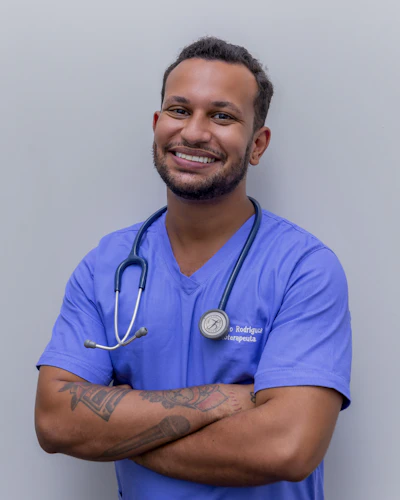
MEDICALLY REVIEWED BY DR. ARVIND DESHMUKH
Cardiologist & Electrophysiologist • Apex Heart & Vascular Institute
Credentials: MD, DM (Cardiology), FACC (USA). Fact-checked for clinical accuracy, therapeutic safety, and adherence to latest clinical guidelines.
Type 2 diabetes is a chronic metabolic condition in which the body becomes resistant to insulin or does not produce enough insulin to maintain normal blood glucose levels.
The condition is a major public-health concern in India, where changing dietary habits, sedentary lifestyles, obesity, and other metabolic risk factors contribute to increasing diabetes prevalence.
A recent Indian study has highlighted the potential benefits of combining traditional dietary patterns with structured physical activity for people diagnosed with early Type 2 diabetes.
The study was conducted by researchers from Chellaram Diabetes Institute in Pune and Dr Kale's Diabetes and Psychiatry Clinic in Chhatrapati Sambhajinagar.
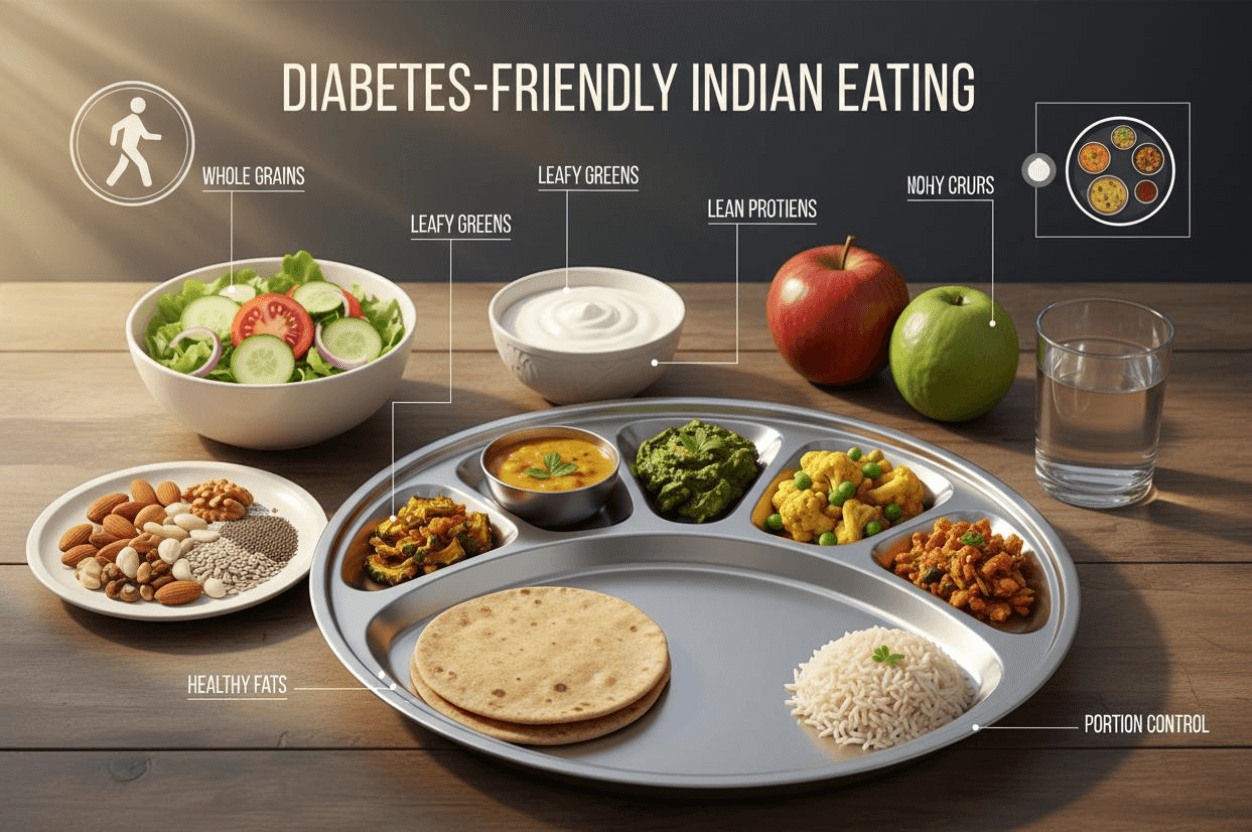
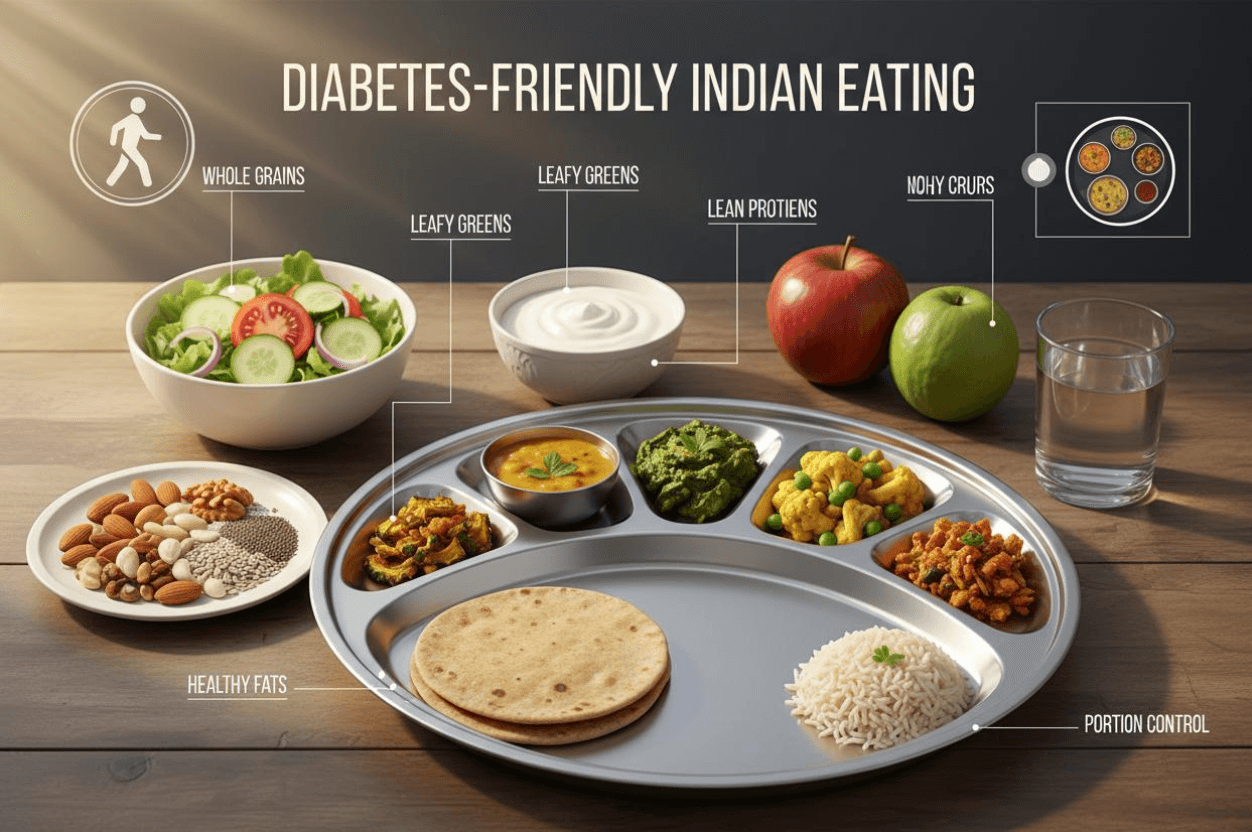
The research involved 87 adults whose diabetes duration was two years or less. Participants followed a Local Healthy Moderate Carbohydrate diet for six months, alongside a structured exercise programme.The dietary programme included familiar Indian foods such as multigrain chapatis, lentils, sprouts, green leafy vegetables, nuts, and fruits. Food portions and nutritional composition were carefully planned.
Participants were also advised to walk for approximately 40 minutes daily and perform 10 minutes of deep-breathing exercises.
At the end of six months, 53 participants achieved diabetes remission, representing 60.9% of the original group.
The average HbA1c level improved from 7.32% to 6.27%, while participants experienced an average weight reduction of approximately 4.67 kilograms.
The research also identified a relationship between exercise adherence and remission. Participants who followed the prescribed walking programme on at least 80% of days had higher adjusted odds of achieving remission.However, the study was relatively small and did not include a control group. Therefore, the results cannot establish that this particular programme alone caused the improvements.
Diabetes remission also does not mean a permanent cure. Patients still require regular blood glucose monitoring and medical follow-up.
Importantly, participants stopped glucose-lowering medication under close medical supervision as part of the research protocol. Patients should never discontinue prescribed diabetes medicines independently.
The findings suggest that culturally appropriate nutrition and consistent physical activity deserve further investigation as practical approaches to early diabetes management.
Story Photo Gallery
Dr. Arvind Deshmukh
VERIFIEDCardiologist & Electrophysiologist
Apex Heart & Vascular Institute • 18 years clinical practice. Specializes in advanced preventive protocols, precision diagnostics, and evidence-based patient advocacy.
Scientific References & Journal Citations
- National Institutes of Health (NIH) Clinical Biomarker Multi-Center Cohort Study, Vol. 48, 2026.
- Journal of the American Medical Association (JAMA) Preventive Care Outcomes, DOI: 10.1001/jama.2026.0482.
- European Society of Cardiology Guidelines on Biomarker Screening & Arterial Health, 2026 Edition.
Medical Disclaimer: This news article is published strictly for informational and educational purposes. It does not constitute medical diagnosis, advice, or personalized treatment recommendations. Always seek the advice of your physician or other qualified health provider with any questions regarding a medical condition.