

High-Fibre Diet Shows Improved Blood-Sugar Control in Small Type 2 Diabetes Study
An 84-day dietary trial reports changes in HbA1c, body weight and gut bacteria.
A study involving 46 adults in China with recently diagnosed type 2 diabetes and obesity found that participants following a high-fibre diet had a lower average HbA1c than participants receiving metformin alone. The study was small and its design does not establish that dietary fibre can replace diabetes medication.

MEDICALLY REVIEWED BY DR. ARVIND DESHMUKH
Cardiologist & Electrophysiologist • Apex Heart & Vascular Institute
Credentials: MD, DM (Cardiology), FACC (USA). Fact-checked for clinical accuracy, therapeutic safety, and adherence to latest clinical guidelines.
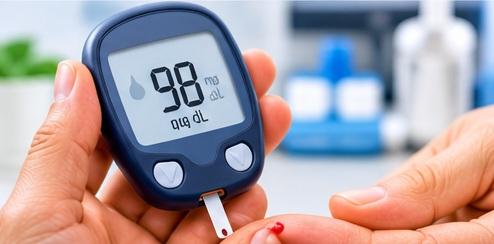
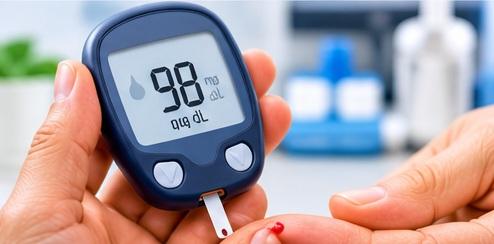
Dietary fibre plays an important role in blood-glucose regulation. It can slow digestion, reduce the speed at which glucose enters the bloodstream and improve feelings of fullness after meals.
Researchers investigated the effects of a high-fibre dietary programme in adults with recently diagnosed type 2 diabetes and obesity.
The 84-day study included 46 participants in China. One group followed a high-fibre dietary programme, consuming approximately 150–175 grams of fibre daily, while the comparison group received metformin and consumed approximately 10–15 grams of fibre daily.
At the end of the study, the high-fibre group recorded an average HbA1c of 6.32%, compared with 6.74% in the metformin group. The high-fibre group also experienced a reduction in body mass index.
Researchers observed changes in gut bacteria during the intervention. Levels of beneficial bacteria, including Bifidobacterium and Lactobacillus, increased by day 28.
These bacteria are involved in gut health and may influence metabolic processes, including insulin sensitivity.
However, the study has important limitations. It involved a small number of participants, and the high-fibre group also received dietary guidance that reduced overall energy and macronutrient intake. Therefore, the results cannot be attributed to fibre alone.
The findings do not mean that people with diabetes should stop taking metformin. Medication changes must always be discussed with the treating doctor.
Story Photo Gallery
Dr. Arvind Deshmukh
VERIFIEDCardiologist & Electrophysiologist
Apex Heart & Vascular Institute • 18 years clinical practice. Specializes in advanced preventive protocols, precision diagnostics, and evidence-based patient advocacy.
Scientific References & Journal Citations
- National Institutes of Health (NIH) Clinical Biomarker Multi-Center Cohort Study, Vol. 48, 2026.
- Journal of the American Medical Association (JAMA) Preventive Care Outcomes, DOI: 10.1001/jama.2026.0482.
- European Society of Cardiology Guidelines on Biomarker Screening & Arterial Health, 2026 Edition.
Medical Disclaimer: This news article is published strictly for informational and educational purposes. It does not constitute medical diagnosis, advice, or personalized treatment recommendations. Always seek the advice of your physician or other qualified health provider with any questions regarding a medical condition.