

Clinical Trial Evaluates a New Technique to Improve Diabetic Foot Ulcer Healing
Researchers test whether small controlled incisions can improve wound closure when added to standard treatment.
A randomised clinical trial listed in JAMA Network Open evaluated the Inforatio technique, which uses biopsy-punch tools to create incisions in diabetic foot-ulcer wound beds alongside standard care. The trial examined whether the approach increased the proportion of ulcers that closed within 20 weeks.

MEDICALLY REVIEWED BY DR. ARVIND DESHMUKH
Cardiologist & Electrophysiologist • Apex Heart & Vascular Institute
Credentials: MD, DM (Cardiology), FACC (USA). Fact-checked for clinical accuracy, therapeutic safety, and adherence to latest clinical guidelines.
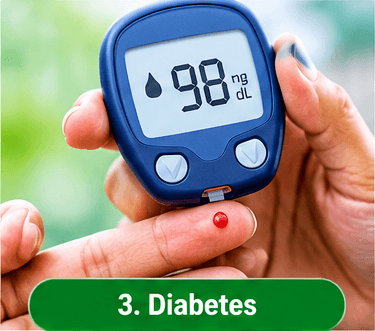
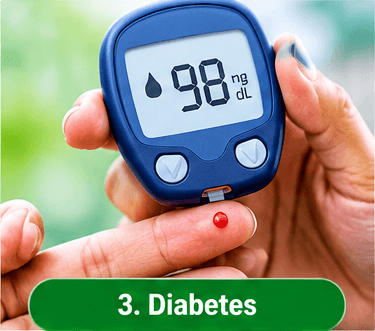
Diabetic foot ulcers are a serious complication of diabetes. Persistently elevated blood glucose can damage nerves and blood vessels, reducing sensation and impairing circulation in the feet.
Because patients may not notice minor injuries, small wounds can develop into deeper ulcers. Poor blood supply and impaired tissue repair can make these wounds difficult to heal and increase the risk of infection, hospitalisation and amputation.
The Inforatio technique is being evaluated as a possible addition to standard diabetic wound care. It involves creating controlled small incisions in the wound bed using biopsy-punch tools.
The randomised clinical trial compared this approach combined with standard care against standard care alone. Its primary outcome was the proportion of diabetic foot ulcers achieving closure within 20 weeks.
The study is important because persistent ulcers can substantially affect mobility and quality of life. However, the trial listing alone does not establish that the technique is superior or suitable for routine treatment.
Prevention remains essential. People with diabetes should inspect their feet regularly, use appropriate footwear, manage blood glucose and seek prompt medical attention for wounds, swelling or signs of infection.
Story Photo Gallery
Dr. Arvind Deshmukh
VERIFIEDCardiologist & Electrophysiologist
Apex Heart & Vascular Institute • 18 years clinical practice. Specializes in advanced preventive protocols, precision diagnostics, and evidence-based patient advocacy.
Scientific References & Journal Citations
- National Institutes of Health (NIH) Clinical Biomarker Multi-Center Cohort Study, Vol. 48, 2026.
- Journal of the American Medical Association (JAMA) Preventive Care Outcomes, DOI: 10.1001/jama.2026.0482.
- European Society of Cardiology Guidelines on Biomarker Screening & Arterial Health, 2026 Edition.
Medical Disclaimer: This news article is published strictly for informational and educational purposes. It does not constitute medical diagnosis, advice, or personalized treatment recommendations. Always seek the advice of your physician or other qualified health provider with any questions regarding a medical condition.