

Continuous Glucose Monitoring Research Expands Beyond Diabetes to Adults With Prediabetes
New review maps how wearable glucose sensors could help researchers understand early blood-sugar changes.
A newly reported scoping review examines research on continuous glucose monitoring in adults with prediabetes. It maps how wearable sensors can measure glucose patterns, fluctuations and time spent within different glucose ranges, while highlighting the need for stronger evidence before routine use in this population.

MEDICALLY REVIEWED BY DR. ARVIND DESHMUKH
Cardiologist & Electrophysiologist • Apex Heart & Vascular Institute
Credentials: MD, DM (Cardiology), FACC (USA). Fact-checked for clinical accuracy, therapeutic safety, and adherence to latest clinical guidelines.
Prediabetes is a metabolic condition in which blood glucose levels are higher than normal but do not yet meet the diagnostic criteria for type 2 diabetes. People with prediabetes have an increased risk of developing diabetes, making early identification and lifestyle intervention important.
Traditional monitoring often relies on fasting blood glucose, HbA1c and oral glucose tolerance testing. These measurements provide useful information, but they do not show every glucose fluctuation that occurs throughout the day.
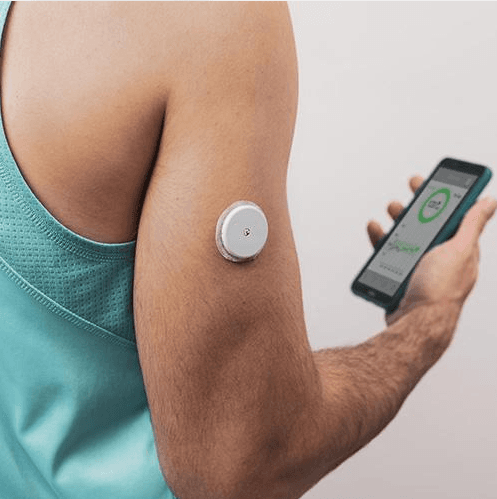
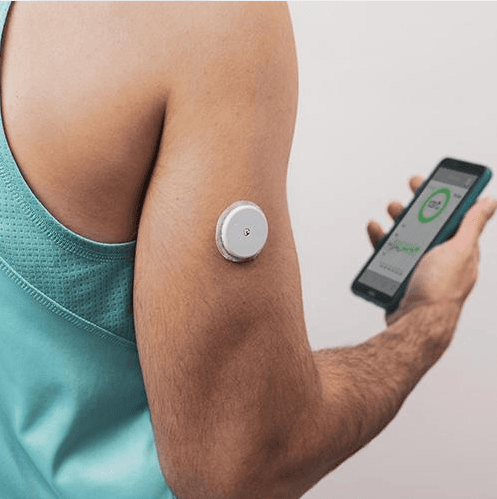
Continuous glucose monitoring devices use a small sensor placed under the skin to measure glucose levels in the fluid surrounding cells. The technology can provide information about glucose changes after meals, during sleep and during physical activity.
The newly reported review maps research into the use of continuous glucose monitoring among adults with prediabetes. It examines measures such as glucose variability and time in range, which may help researchers understand metabolic patterns that are not always visible through occasional blood tests.
However, continuous glucose monitoring is not yet established as a routine screening requirement for every person with prediabetes. Further studies are needed to determine whether using these devices improves long-term diabetes prevention.
Story Photo Gallery
Dr. Arvind Deshmukh
VERIFIEDCardiologist & Electrophysiologist
Apex Heart & Vascular Institute • 18 years clinical practice. Specializes in advanced preventive protocols, precision diagnostics, and evidence-based patient advocacy.
Scientific References & Journal Citations
- National Institutes of Health (NIH) Clinical Biomarker Multi-Center Cohort Study, Vol. 48, 2026.
- Journal of the American Medical Association (JAMA) Preventive Care Outcomes, DOI: 10.1001/jama.2026.0482.
- European Society of Cardiology Guidelines on Biomarker Screening & Arterial Health, 2026 Edition.
Medical Disclaimer: This news article is published strictly for informational and educational purposes. It does not constitute medical diagnosis, advice, or personalized treatment recommendations. Always seek the advice of your physician or other qualified health provider with any questions regarding a medical condition.