

US FDA Requires New Eye-Risk Warnings for Popular Diabetes and Weight-Loss Medicines
Regulators highlight a rare condition that can cause sudden vision loss in people taking certain GLP-1 medicines.
The US Food and Drug Administration is requiring updated prescribing information for semaglutide and other GLP-1 medicines to include warnings about non-arteritic anterior ischaemic optic neuropathy (NAION), a rare condition that can cause sudden vision loss.

MEDICALLY REVIEWED BY DR. ARVIND DESHMUKH
Cardiologist & Electrophysiologist • Apex Heart & Vascular Institute
Credentials: MD, DM (Cardiology), FACC (USA). Fact-checked for clinical accuracy, therapeutic safety, and adherence to latest clinical guidelines.
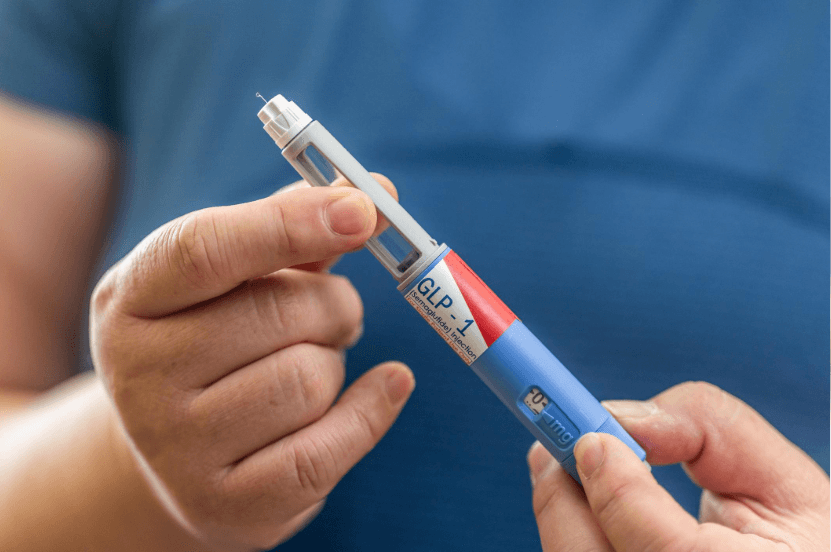
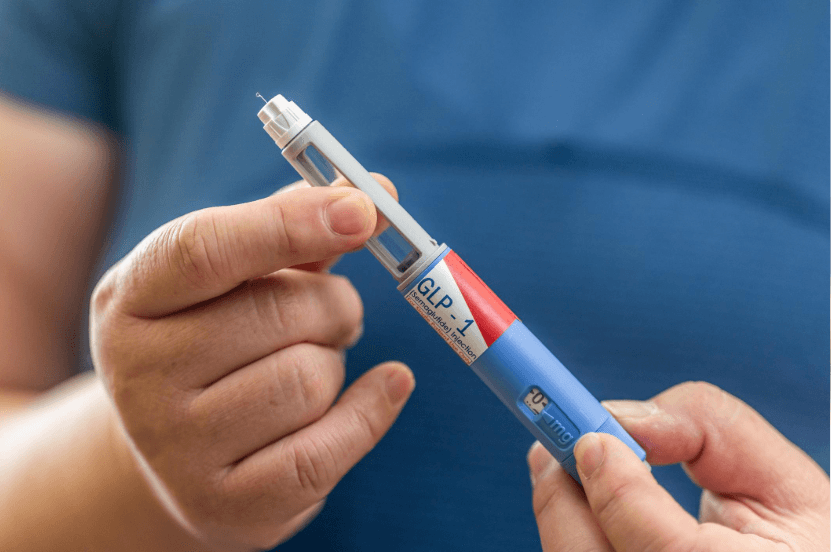
GLP-1 medicines are used to manage type 2 diabetes and, in certain formulations, obesity. These medicines can improve blood-glucose control, support weight reduction and reduce some health risks in eligible patients.
The US FDA has now required updated eye-risk warnings for medicines including Ozempic, Wegovy, Mounjaro and Zepbound. The warning concerns non-arteritic anterior ischaemic optic neuropathy, or NAION, a condition involving reduced blood supply to the optic nerve.
NAION can cause sudden, painless vision loss and may result in permanent visual impairment. The FDA's review considered clinical trials, animal research, post-marketing safety reports and observational studies.
The European Medicines Agency had previously identified NAION as a very rare potential adverse effect associated with semaglutide. However, the available evidence does not mean that every person taking a GLP-1 medicine will experience this complication.
Patients should not stop prescribed diabetes or weight-management medication on their own. Anyone experiencing sudden changes in vision should seek urgent medical assessment and inform the treating clinician about their medication.
Story Photo Gallery
Dr. Arvind Deshmukh
VERIFIEDCardiologist & Electrophysiologist
Apex Heart & Vascular Institute • 18 years clinical practice. Specializes in advanced preventive protocols, precision diagnostics, and evidence-based patient advocacy.
Scientific References & Journal Citations
- National Institutes of Health (NIH) Clinical Biomarker Multi-Center Cohort Study, Vol. 48, 2026.
- Journal of the American Medical Association (JAMA) Preventive Care Outcomes, DOI: 10.1001/jama.2026.0482.
- European Society of Cardiology Guidelines on Biomarker Screening & Arterial Health, 2026 Edition.
Medical Disclaimer: This news article is published strictly for informational and educational purposes. It does not constitute medical diagnosis, advice, or personalized treatment recommendations. Always seek the advice of your physician or other qualified health provider with any questions regarding a medical condition.