

Adults Who Frequently Read Food Labels Consume Less Added Sugar, Study Finds
Researchers identify a significant difference in daily sugar intake between frequent and infrequent nutrition-label readers.
Researchers analysing US nutrition data found that adults who frequently read food labels consumed 42.8 grams less added sugar per day than adults who rarely read them. The study also found a smaller difference among children.

MEDICALLY REVIEWED BY DR. ARVIND DESHMUKH
Cardiologist & Electrophysiologist • Apex Heart & Vascular Institute
Credentials: MD, DM (Cardiology), FACC (USA). Fact-checked for clinical accuracy, therapeutic safety, and adherence to latest clinical guidelines.
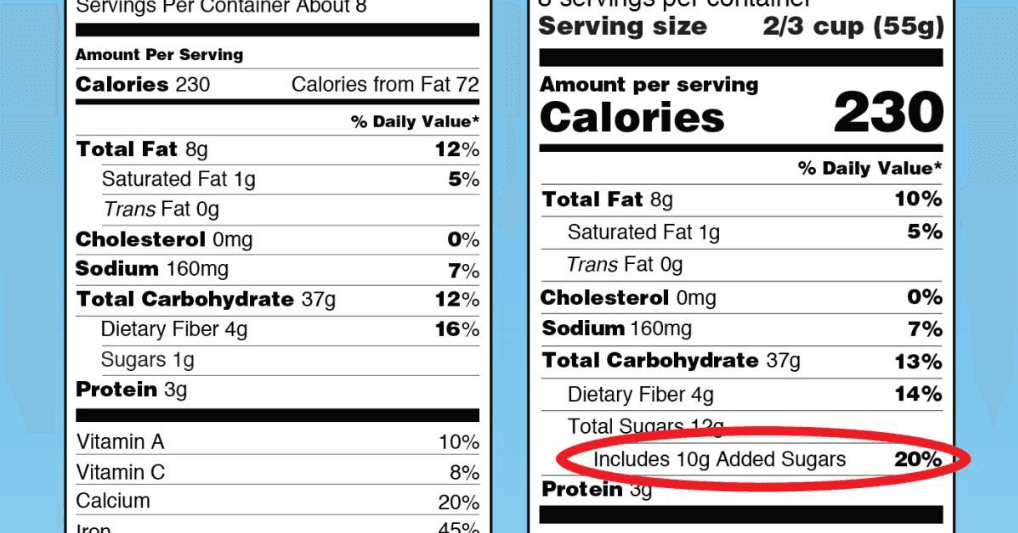
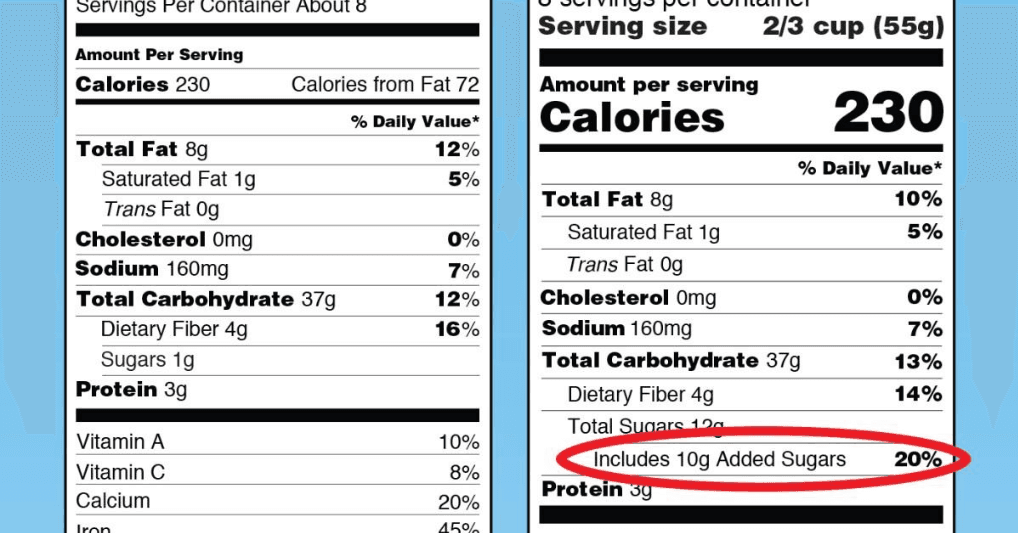
Added sugar is commonly found in packaged foods, sweetened beverages, desserts and processed snacks. Regularly consuming excessive amounts can contribute to weight gain, insulin resistance and an increased risk of type 2 diabetes.
Nutrition labels provide information about sugar, calories, carbohydrates and other ingredients. Reading these labels can help consumers compare products and make more informed food choices.
Researchers analysed data from 9,416 children and adults participating in the US National Health and Nutrition Examination Survey. They examined the relationship between how frequently participants read nutrition labels and their reported added-sugar consumption.
Adults who frequently read food labels consumed 42.8 grams less added sugar per day than those who read labels infrequently. Among children, the difference was 14.5 grams.
The findings suggest that nutrition-label awareness may support healthier dietary decisions. However, the study is observational and cannot prove that reading labels alone caused the differences in sugar intake.
For people at risk of diabetes, checking added-sugar content, choosing less-sweetened foods and maintaining a balanced diet can support better long-term metabolic health.
Story Photo Gallery
Dr. Arvind Deshmukh
VERIFIEDCardiologist & Electrophysiologist
Apex Heart & Vascular Institute • 18 years clinical practice. Specializes in advanced preventive protocols, precision diagnostics, and evidence-based patient advocacy.
Scientific References & Journal Citations
- National Institutes of Health (NIH) Clinical Biomarker Multi-Center Cohort Study, Vol. 48, 2026.
- Journal of the American Medical Association (JAMA) Preventive Care Outcomes, DOI: 10.1001/jama.2026.0482.
- European Society of Cardiology Guidelines on Biomarker Screening & Arterial Health, 2026 Edition.
Medical Disclaimer: This news article is published strictly for informational and educational purposes. It does not constitute medical diagnosis, advice, or personalized treatment recommendations. Always seek the advice of your physician or other qualified health provider with any questions regarding a medical condition.