

ICMR SAMPADA Survey Reveals Anaemia Trends Among Indian Women and Children
National survey finds anaemia remains a significant concern among women of reproductive age and adolescent girls despite an overall improvement compared with previous surveys.
The Indian Council of Medical Research released findings from its SAMPADA survey on 23 November 2026, covering more than two lakh people across 183 districts in 35 States and Union Territories. The survey reported anaemia prevalence of 56% among women of reproductive age and 46% among adolescent girls. The findings provide important evidence for strengthening targeted nutritional interventions.

MEDICALLY REVIEWED BY DR. ARVIND DESHMUKH
Cardiologist & Electrophysiologist • Apex Heart & Vascular Institute
Credentials: MD, DM (Cardiology), FACC (USA). Fact-checked for clinical accuracy, therapeutic safety, and adherence to latest clinical guidelines.
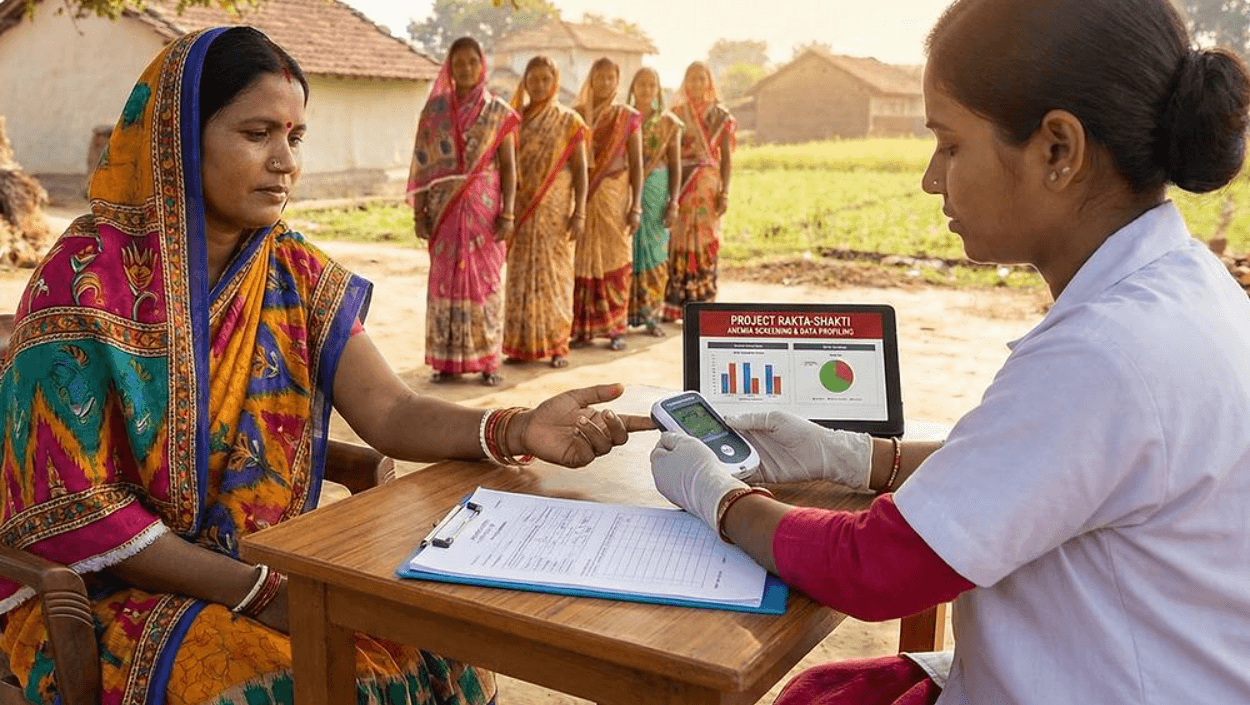
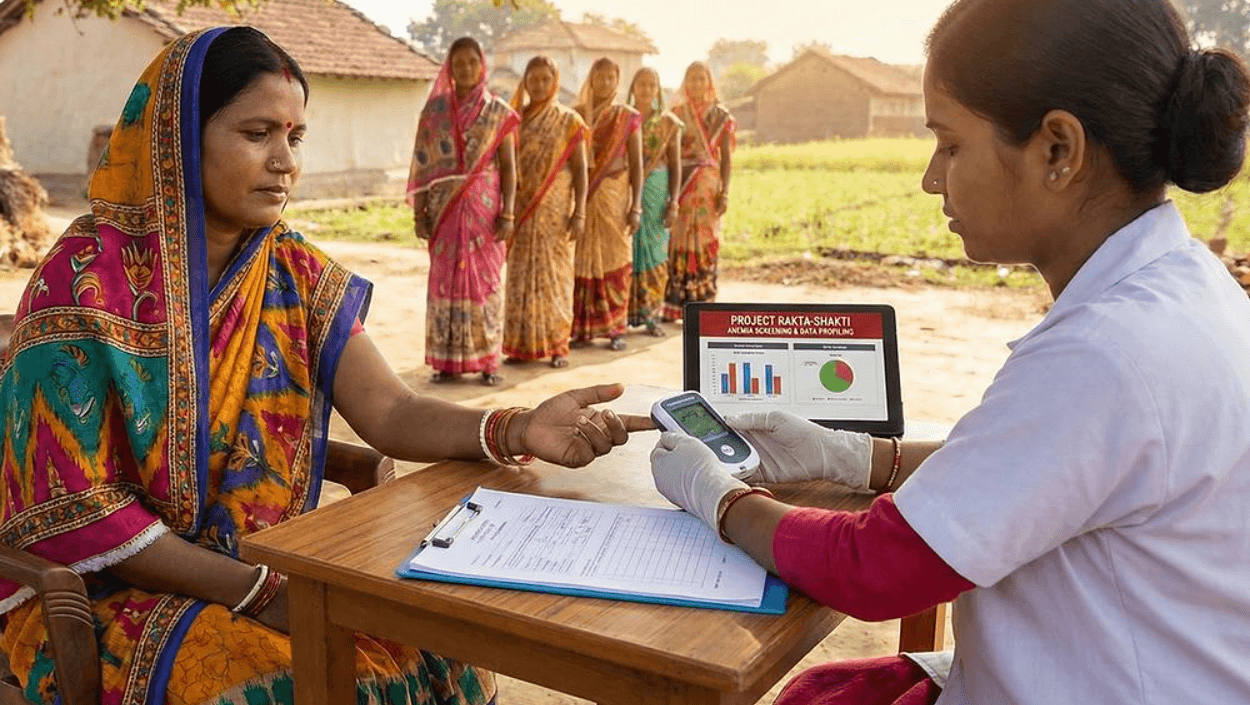
Anaemia is a medical condition in which the blood does not contain enough healthy red blood cells or haemoglobin to carry adequate oxygen to body tissues.
It remains a significant women's health concern because women of reproductive age, pregnant women, and adolescent girls can be particularly vulnerable to nutritional deficiencies.
Iron deficiency is an important contributor to anaemia. However, infections, inherited blood disorders, chronic inflammation, and other nutritional factors may also contribute.
On 23 November 2026, the Indian Council of Medical Research released findings from the Survey for Assessment of Markers of Population Health, Activity, Diet and Anthropometry, commonly known as SAMPADA.
The survey covered more than two lakh individuals from over 81,000 households across 183 districts in 35 States and Union Territories. More than 1.7 lakh blood samples were analysed for haemoglobin estimation.The findings indicated an overall reduction in anaemia prevalence compared with previous national surveys.
However, significant differences were observed between population groups. Anaemia prevalence was reported at 56% among women of reproductive age and 46% among adolescent girls aged 10–19 years.
Among children aged 12–59 months, the reported prevalence was 42%.
The survey also found that severe anaemia affected fewer than 2% of people in most age groups, while mild anaemia represented a substantial proportion of identified cases.
Iron deficiency accounted for approximately half of anaemia cases among women, adolescent girls, and children.
These findings demonstrate why anaemia prevention requires more than simply distributing iron supplements. Healthcare programmes must also identify other causes and provide appropriate treatment based on individual assessment.
Symptoms can include fatigue, weakness, dizziness, headaches, breathlessness, and reduced concentration. Some people may have no obvious symptoms during the early stages.
Women experiencing persistent fatigue or other symptoms should consider medical assessment and appropriate blood testing.
The survey provides valuable national evidence for improving Anaemia Mukt Bharat and developing targeted nutritional programmes.
Story Photo Gallery
Dr. Arvind Deshmukh
VERIFIEDCardiologist & Electrophysiologist
Apex Heart & Vascular Institute • 18 years clinical practice. Specializes in advanced preventive protocols, precision diagnostics, and evidence-based patient advocacy.
Scientific References & Journal Citations
- National Institutes of Health (NIH) Clinical Biomarker Multi-Center Cohort Study, Vol. 48, 2026.
- Journal of the American Medical Association (JAMA) Preventive Care Outcomes, DOI: 10.1001/jama.2026.0482.
- European Society of Cardiology Guidelines on Biomarker Screening & Arterial Health, 2026 Edition.
Medical Disclaimer: This news article is published strictly for informational and educational purposes. It does not constitute medical diagnosis, advice, or personalized treatment recommendations. Always seek the advice of your physician or other qualified health provider with any questions regarding a medical condition.