

India Unlikely to Meet 2026 Measles–Rubella Elimination Goal Despite High Vaccination Coverage, WHO Warns
Gaps in surveillance, vaccination coverage, and outbreak control remain important challenges in eliminating measles and rubella.
The World Health Organization warned on 28 November 2026 that India is unlikely to meet its 2026 measles–rubella elimination target despite reported vaccination coverage of approximately 98%. The development highlights the importance of closing immunity gaps, strengthening disease surveillance, investigating suspected cases, and ensuring that every eligible child receives the recommended vaccine doses.

MEDICALLY REVIEWED BY DR. ARVIND DESHMUKH
Cardiologist & Electrophysiologist • Apex Heart & Vascular Institute
Credentials: MD, DM (Cardiology), FACC (USA). Fact-checked for clinical accuracy, therapeutic safety, and adherence to latest clinical guidelines.
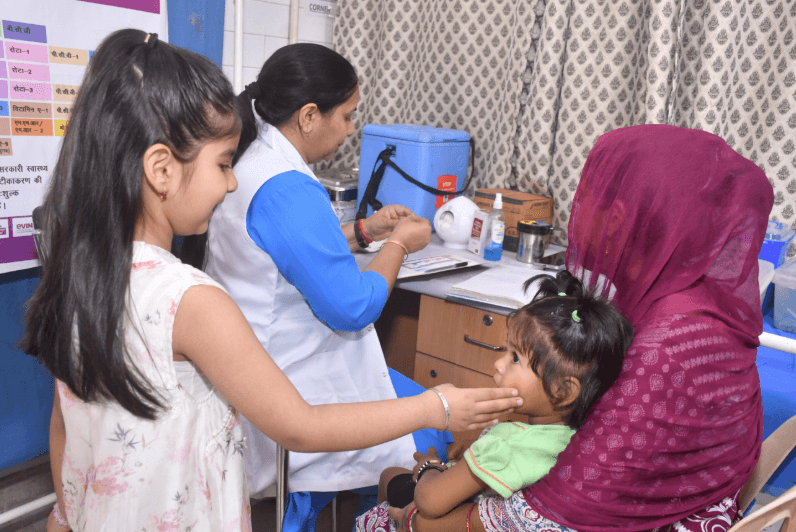
Measles and rubella are viral infections that can spread through respiratory droplets and airborne transmission.
Measles is highly contagious and can cause fever, cough, runny nose, conjunctivitis, and a characteristic skin rash. In some patients, it can lead to serious complications such as pneumonia, severe diarrhoea, encephalitis, and other medical problems.
Rubella generally causes a milder illness in children and adults. However, infection during pregnancy can have serious consequences for the developing baby, including congenital rubella syndrome.
India has been working towards measles and rubella elimination through vaccination programmes, disease surveillance, and outbreak-response activities.
On 28 November 2026, reports citing the World Health Organization indicated that India was unlikely to meet its 2026 elimination goal despite vaccination coverage reported at approximately 98%.High national vaccination coverage is important, but it does not necessarily mean that every community has achieved adequate protection.
Localised gaps may occur because of missed children, migration, incomplete vaccination, access barriers, inaccurate records, or other factors.
Measles can spread rapidly when susceptible individuals are concentrated in communities. Even small gaps in vaccination coverage may allow outbreaks to occur.
Disease surveillance is equally important because suspected cases must be identified, investigated, and confirmed appropriately.
Public-health authorities may need to strengthen routine immunisation, conduct targeted vaccination activities, investigate outbreaks, and improve reporting systems.
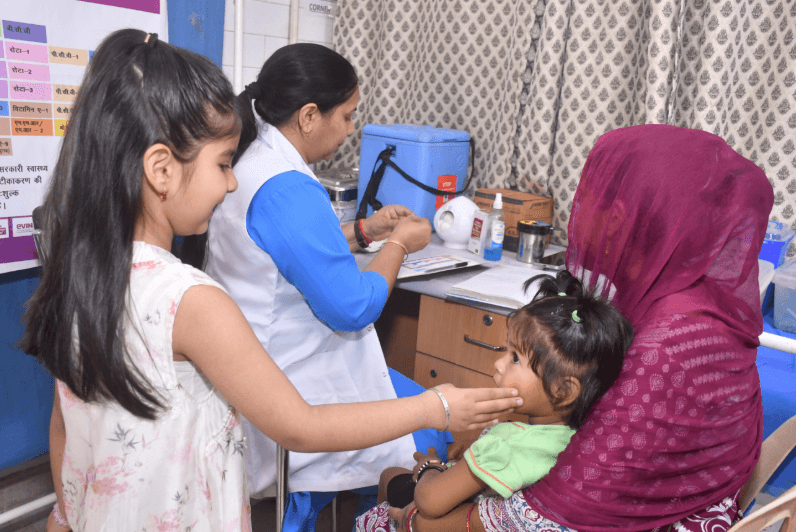
Parents and caregivers should ensure that children receive vaccinations according to the recommended national immunisation schedule.
The WHO warning highlights the difference between high reported vaccination coverage and actual disease elimination.
Achieving elimination requires sustained vaccination, effective surveillance, rapid outbreak response, and protection of vulnerable populations.
Story Photo Gallery
Dr. Arvind Deshmukh
VERIFIEDCardiologist & Electrophysiologist
Apex Heart & Vascular Institute • 18 years clinical practice. Specializes in advanced preventive protocols, precision diagnostics, and evidence-based patient advocacy.
Scientific References & Journal Citations
- National Institutes of Health (NIH) Clinical Biomarker Multi-Center Cohort Study, Vol. 48, 2026.
- Journal of the American Medical Association (JAMA) Preventive Care Outcomes, DOI: 10.1001/jama.2026.0482.
- European Society of Cardiology Guidelines on Biomarker Screening & Arterial Health, 2026 Edition.
Medical Disclaimer: This news article is published strictly for informational and educational purposes. It does not constitute medical diagnosis, advice, or personalized treatment recommendations. Always seek the advice of your physician or other qualified health provider with any questions regarding a medical condition.