

JAMA Highlights Postherpetic Neuralgia, a Long-Term Nerve Pain Complication Following Shingles
New medical insights explain how nerve damage following shingles can cause persistent pain even after skin rashes have disappeared.
JAMA published an expert medical review on postherpetic neuralgia on 23 November 2026. The publication examines chronic nerve pain that can develop following shingles, a condition caused by reactivation of the varicella-zoster virus. It discusses the condition's presentation, underlying mechanisms, and treatment approaches, including medication and cognitive behavioural therapy.

MEDICALLY REVIEWED BY DR. ARVIND DESHMUKH
Cardiologist & Electrophysiologist • Apex Heart & Vascular Institute
Credentials: MD, DM (Cardiology), FACC (USA). Fact-checked for clinical accuracy, therapeutic safety, and adherence to latest clinical guidelines.
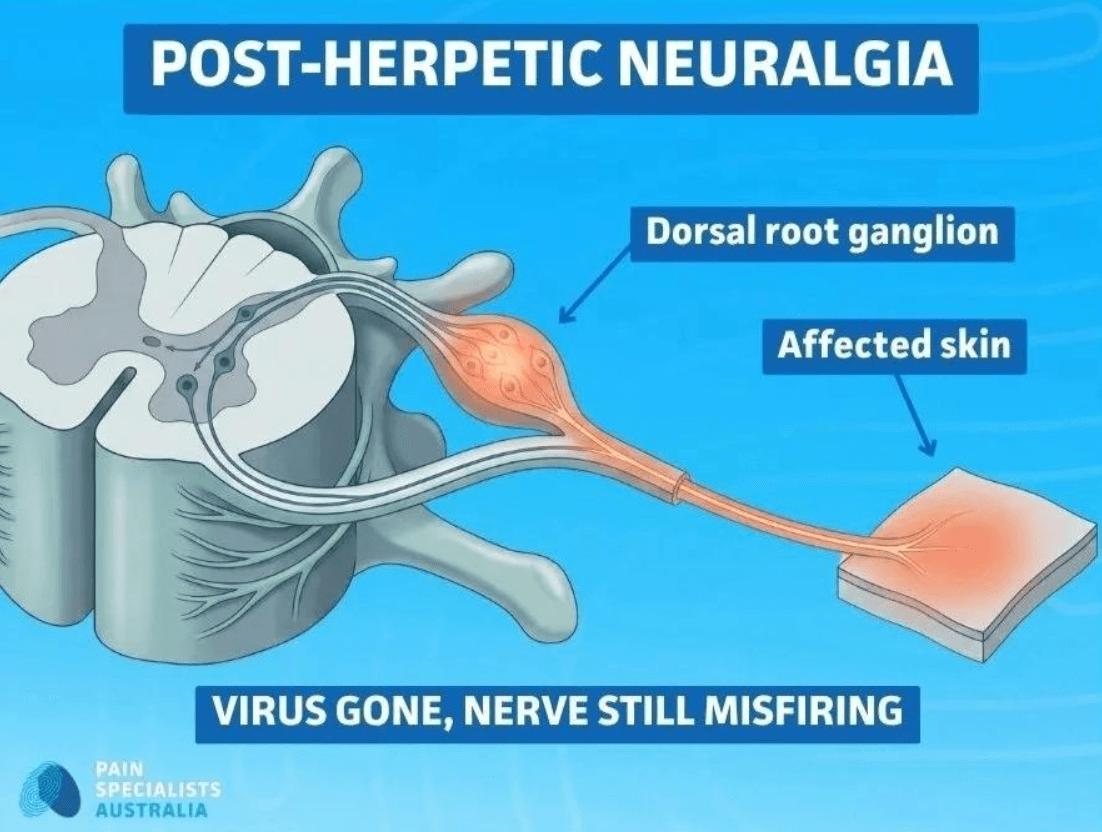
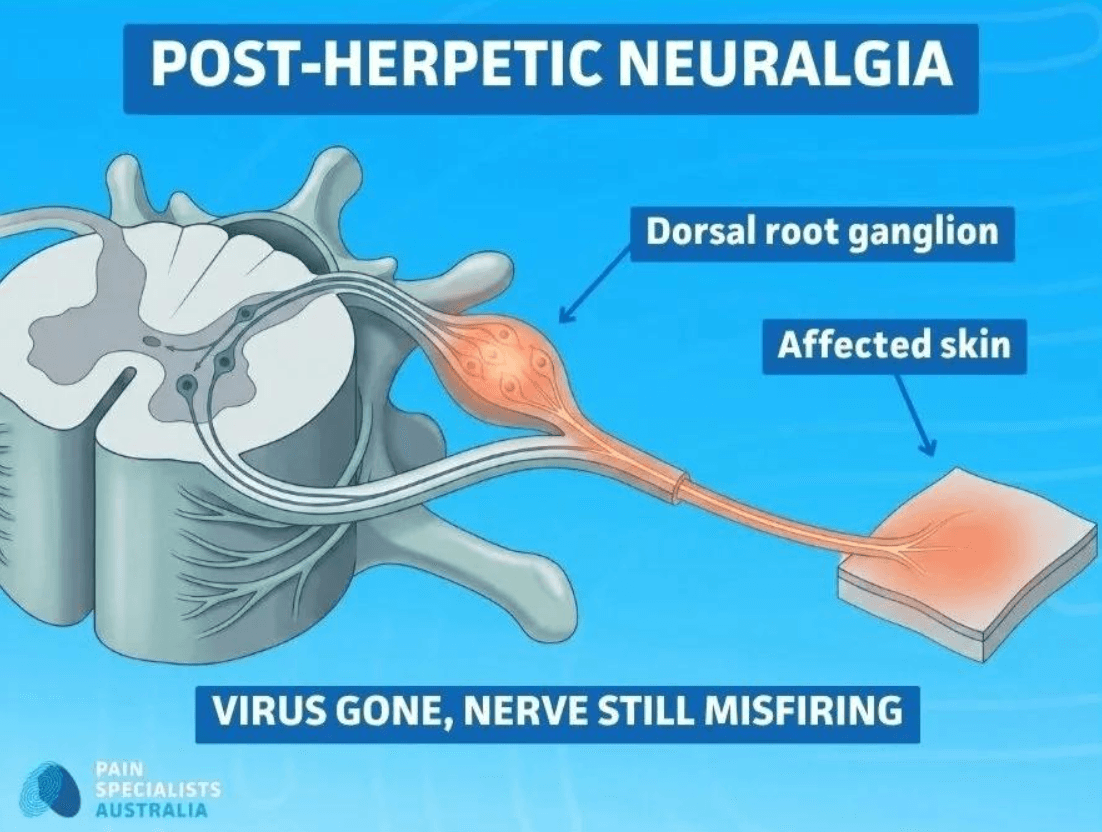
Postherpetic neuralgia is a neurological complication that can develop after a person experiences shingles.
Shingles occurs when the varicella-zoster virus, which also causes chickenpox, becomes active again after remaining dormant in the body's nerve tissues.
The infection commonly causes a painful skin rash that develops in a particular area of the body. Although the rash generally heals, some individuals continue to experience pain because the infection has affected the nerves.
This persistent pain is known as postherpetic neuralgia.
On 23 November 2026, JAMA published an expert review examining postherpetic neuralgia, including its epidemiology, clinical presentation, and treatment approaches.Patients may describe the pain as burning, stabbing, shooting, or electric-shock-like sensations.
Even light contact from clothing or bedsheets can sometimes produce significant discomfort. This happens because damaged nerves may become unusually sensitive and send abnormal pain signals to the brain.
Older adults are particularly vulnerable to developing this complication after shingles. The risk also increases when shingles produces severe symptoms.
Treatment aims to reduce pain and improve everyday functioning. Depending on the individual, treatment may involve certain nerve-pain medicines, topical preparations, and other pain-management approaches.
Cognitive behavioural therapy may also help patients cope with persistent pain and its effects on sleep, mood, and daily activities.
Vaccination against shingles can reduce the risk of developing the infection and its complications in eligible populations.
Early medical assessment is important when a patient develops a painful shingles rash, particularly when symptoms are severe or affect sensitive areas.
The JAMA publication highlights the importance of recognising nerve-related complications and understanding that pain can continue even after the visible skin infection has healed.
Story Photo Gallery
Dr. Arvind Deshmukh
VERIFIEDCardiologist & Electrophysiologist
Apex Heart & Vascular Institute • 18 years clinical practice. Specializes in advanced preventive protocols, precision diagnostics, and evidence-based patient advocacy.
Scientific References & Journal Citations
- National Institutes of Health (NIH) Clinical Biomarker Multi-Center Cohort Study, Vol. 48, 2026.
- Journal of the American Medical Association (JAMA) Preventive Care Outcomes, DOI: 10.1001/jama.2026.0482.
- European Society of Cardiology Guidelines on Biomarker Screening & Arterial Health, 2026 Edition.
Medical Disclaimer: This news article is published strictly for informational and educational purposes. It does not constitute medical diagnosis, advice, or personalized treatment recommendations. Always seek the advice of your physician or other qualified health provider with any questions regarding a medical condition.