

JAMA Publishes New Clinical Review on Hypertrophic Cardiomyopathy and Its Treatment
Medical experts examine how abnormal thickening of the heart muscle affects blood flow, heart function, diagnosis, and long-term patient management.
JAMA published a comprehensive clinical review of hypertrophic cardiomyopathy on 23 November 2026. The review examines the causes, symptoms, diagnosis, and treatment of this inherited heart condition, which causes abnormal thickening of the heart muscle. The publication highlights the importance of early diagnosis, family assessment, and appropriate specialist management.

MEDICALLY REVIEWED BY DR. ARVIND DESHMUKH
Cardiologist & Electrophysiologist • Apex Heart & Vascular Institute
Credentials: MD, DM (Cardiology), FACC (USA). Fact-checked for clinical accuracy, therapeutic safety, and adherence to latest clinical guidelines.
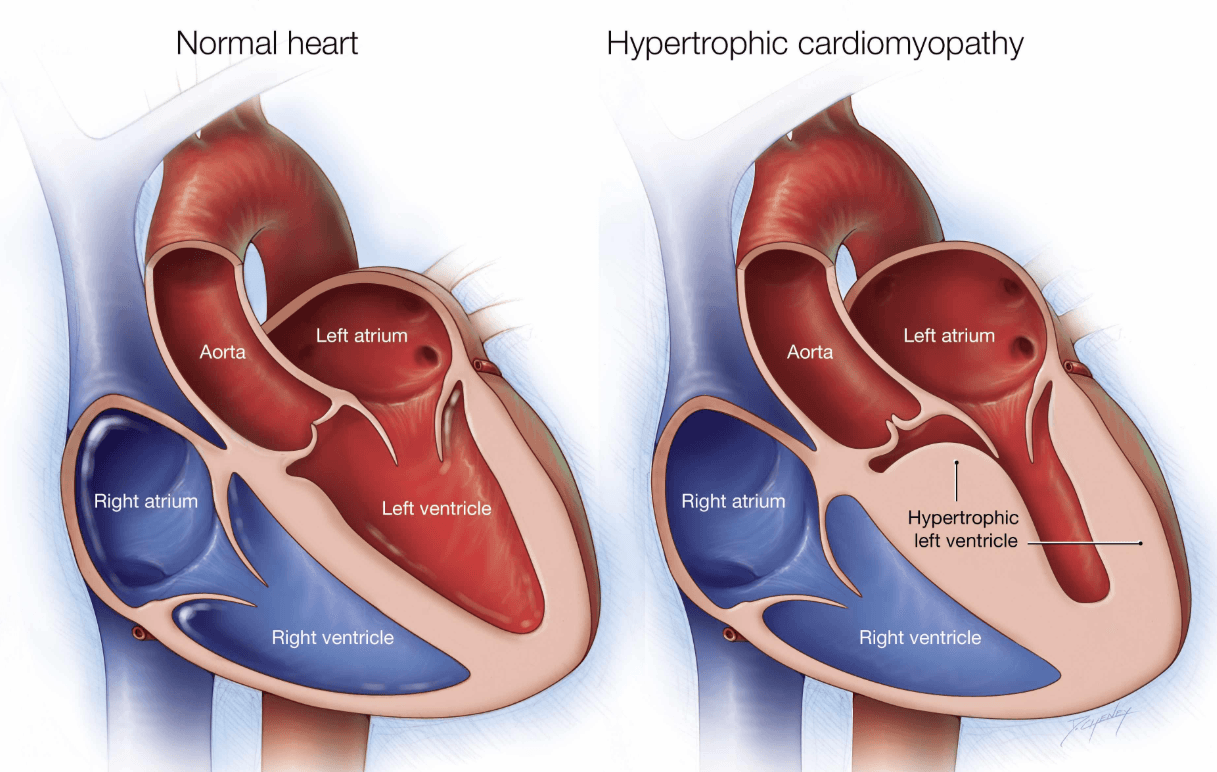
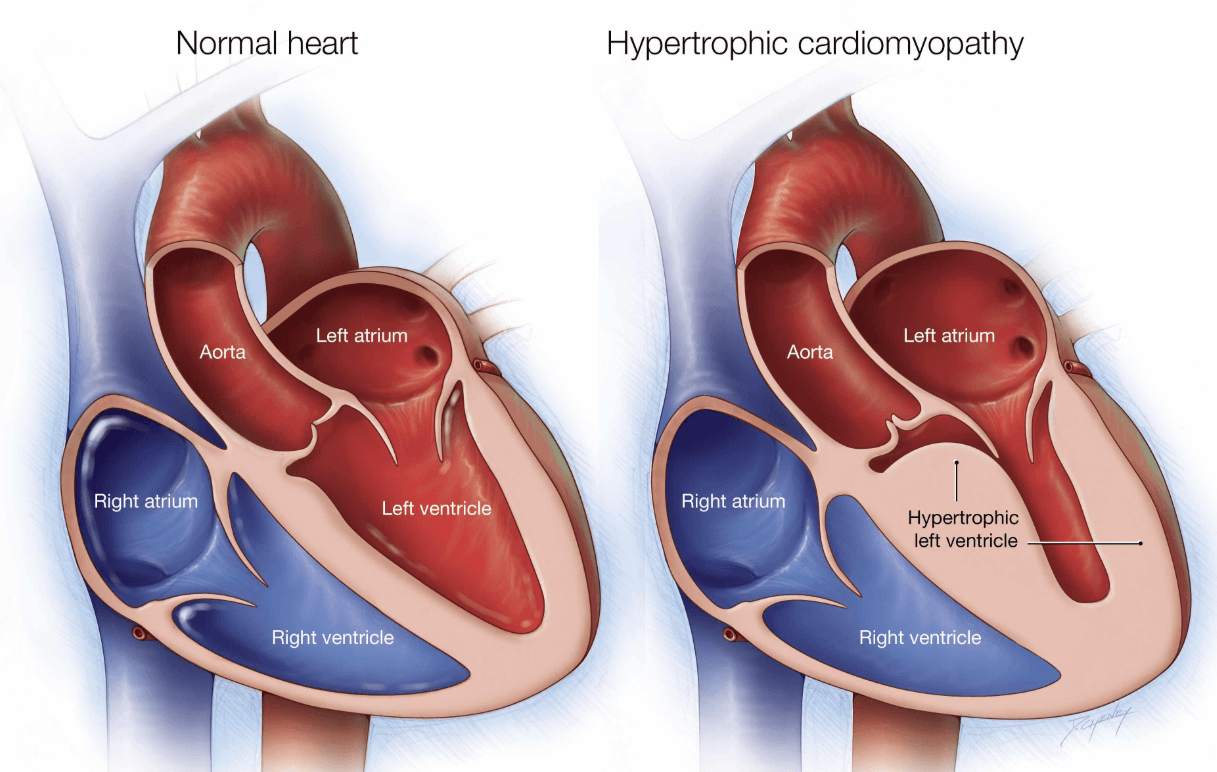
Hypertrophic cardiomyopathy (HCM) is a heart condition in which the heart muscle becomes abnormally thick. This thickening can make it harder for the heart to relax and fill with blood. In some patients, it can also obstruct the flow of blood leaving the heart.
The condition is frequently associated with inherited genetic changes affecting proteins involved in heart muscle contraction. It can affect people of different ages, including individuals who may not initially experience noticeable symptoms.
On 23 November 2026, JAMA published a clinical review examining the epidemiology, underlying mechanisms, clinical presentation, diagnosis, and treatment of hypertrophic cardiomyopathy.Symptoms can include chest discomfort, breathlessness, dizziness, palpitations, and fainting, particularly during physical activity. However, some individuals remain asymptomatic and discover the condition during routine examinations or family screening.
Diagnosis generally involves an electrocardiogram, echocardiography, cardiac MRI, and assessment of family history. Genetic testing may also be considered in selected patients.
Treatment depends on the severity of the condition and the presence of complications. Options may include medication to improve symptoms, specialised procedures to reduce obstruction, and implantable cardioverter-defibrillators for selected patients at increased risk of dangerous heart rhythms.
Family screening is particularly important because HCM can run in families. When a person is diagnosed, close relatives may benefit from appropriate cardiac evaluation.
The publication highlights the importance of distinguishing HCM from other causes of thickened heart muscle, including hypertension and certain metabolic conditions.
Early identification and specialist follow-up can help patients understand their individual risks and receive appropriate treatment.
Story Photo Gallery
Dr. Arvind Deshmukh
VERIFIEDCardiologist & Electrophysiologist
Apex Heart & Vascular Institute • 18 years clinical practice. Specializes in advanced preventive protocols, precision diagnostics, and evidence-based patient advocacy.
Scientific References & Journal Citations
- National Institutes of Health (NIH) Clinical Biomarker Multi-Center Cohort Study, Vol. 48, 2026.
- Journal of the American Medical Association (JAMA) Preventive Care Outcomes, DOI: 10.1001/jama.2026.0482.
- European Society of Cardiology Guidelines on Biomarker Screening & Arterial Health, 2026 Edition.
Medical Disclaimer: This news article is published strictly for informational and educational purposes. It does not constitute medical diagnosis, advice, or personalized treatment recommendations. Always seek the advice of your physician or other qualified health provider with any questions regarding a medical condition.