

Major Medical Societies Propose New Life-Stage Framework for Women's Heart Health
Major Medical Societies Propose New Life-Stage Framework for Women's Heart Health
Four major US medical organisations have joined forces to promote a more comprehensive approach to women's cardiovascular health. The proposed framework considers different biological life stages, from before menstruation through menopause, and highlights female-specific risk factors that may otherwise be overlooked.

MEDICALLY REVIEWED BY DR. ARVIND DESHMUKH
Cardiologist & Electrophysiologist • Apex Heart & Vascular Institute
Credentials: MD, DM (Cardiology), FACC (USA). Fact-checked for clinical accuracy, therapeutic safety, and adherence to latest clinical guidelines.
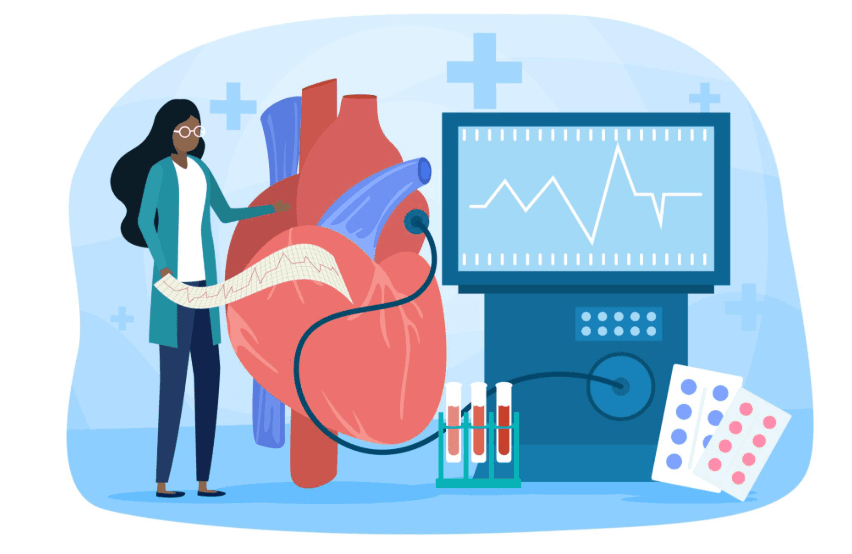
Cardiovascular disease remains one of the leading causes of death among women. However, the assessment and management of heart disease have historically relied heavily on approaches developed around male cardiovascular patterns.
Medical experts are increasingly recognising that hormonal changes, pregnancy-related complications and other biological factors can influence cardiovascular risk throughout a woman's life.
A new initiative discussed in a JAMA report published on 20 November brings together the American Heart Association, American Academy of Pediatrics, American College of Obstetricians and Gynecologists, and Society for Maternal-Fetal Medicine.
The organisations support a female life-stage framework for cardiovascular care. Instead of relying only on chronological age, the framework considers important biological transitions that may influence heart and blood-vessel health.
These stages include the period before menstruation, reproductive years, pregnancy, the postpartum period, perimenopause and postmenopause.
The guidance also highlights female-specific cardiovascular risk factors, including early menstruation, irregular or heavy menstrual cycles, pregnancy complications and certain hormonal conditions.
Pregnancy-related complications such as preeclampsia and gestational hypertension can provide important information about a woman's future cardiovascular risk. Recognising these conditions may help clinicians identify women who need closer monitoring later in life.
The report also points out that women may experience symptoms accompanying a heart attack differently from men. Although chest pain remains common, women may also experience breathlessness, nausea, back pain or jaw discomfort.
The proposed approach encourages healthcare professionals to integrate cardiovascular assessment into routine women's healthcare, including obstetric and gynaecological visits.
The framework is intended to improve awareness, screening and prevention rather than introduce a single new diagnostic test.
Story Photo Gallery
Dr. Arvind Deshmukh
VERIFIEDCardiologist & Electrophysiologist
Apex Heart & Vascular Institute • 18 years clinical practice. Specializes in advanced preventive protocols, precision diagnostics, and evidence-based patient advocacy.
Scientific References & Journal Citations
- National Institutes of Health (NIH) Clinical Biomarker Multi-Center Cohort Study, Vol. 48, 2026.
- Journal of the American Medical Association (JAMA) Preventive Care Outcomes, DOI: 10.1001/jama.2026.0482.
- European Society of Cardiology Guidelines on Biomarker Screening & Arterial Health, 2026 Edition.
Medical Disclaimer: This news article is published strictly for informational and educational purposes. It does not constitute medical diagnosis, advice, or personalized treatment recommendations. Always seek the advice of your physician or other qualified health provider with any questions regarding a medical condition.