

Long-Term Melatonin Use Linked to Higher Heart Failure Diagnoses in Adults With Insomnia
Preliminary research raises questions about the long-term safety of sleep supplements.
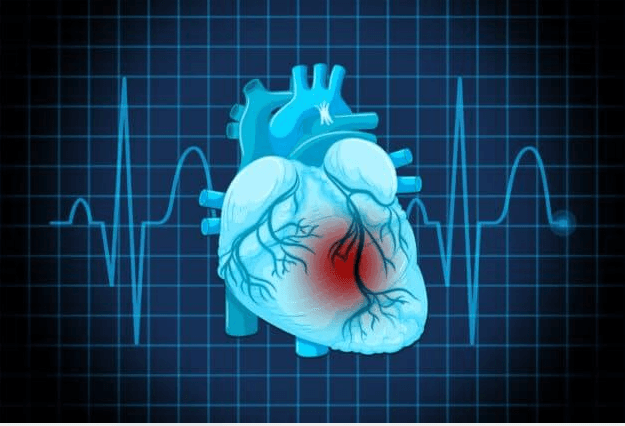
A preliminary study involving more than 130,000 adults with insomnia found that people whose records indicated long-term melatonin use had a higher rate of heart failure diagnoses than those in the comparison group. The findings do not establish that melatonin causes heart disease.

MEDICALLY REVIEWED BY DR. ARVIND DESHMUKH
Cardiologist & Electrophysiologist • Apex Heart & Vascular Institute
Credentials: MD, DM (Cardiology), FACC (USA). Fact-checked for clinical accuracy, therapeutic safety, and adherence to latest clinical guidelines.
Melatonin is a hormone naturally produced by the brain that helps regulate the sleep-wake cycle. Synthetic melatonin supplements are used for certain sleep-timing problems, including jet lag and difficulties adjusting to different sleep schedules.
A preliminary study involving more than 130,000 adults with insomnia examined the relationship between long-term melatonin use and cardiovascular outcomes.
The report found that heart failure was diagnosed in 4.6% of people in the melatonin group, compared with 2.7% in the comparison group. The researchers' findings have raised questions about the safety of prolonged supplement use.
However, these results should be interpreted cautiously. An observational association cannot establish that melatonin directly causes heart failure. Other factors, including the severity of insomnia, existing medical conditions and differences in overall health, may influence the results.
Melatonin is not a conventional sleeping pill and does not treat every cause of insomnia. Its use should be based on individual medical needs rather than assumptions that a supplement is automatically safe for long-term consumption.
People experiencing persistent sleep problems or taking melatonin regularly should discuss the benefits and potential risks with a qualified healthcare professional.
Story Photo Gallery
Dr. Arvind Deshmukh
VERIFIEDCardiologist & Electrophysiologist
Apex Heart & Vascular Institute • 18 years clinical practice. Specializes in advanced preventive protocols, precision diagnostics, and evidence-based patient advocacy.
Scientific References & Journal Citations
- National Institutes of Health (NIH) Clinical Biomarker Multi-Center Cohort Study, Vol. 48, 2026.
- Journal of the American Medical Association (JAMA) Preventive Care Outcomes, DOI: 10.1001/jama.2026.0482.
- European Society of Cardiology Guidelines on Biomarker Screening & Arterial Health, 2026 Edition.
Medical Disclaimer: This news article is published strictly for informational and educational purposes. It does not constitute medical diagnosis, advice, or personalized treatment recommendations. Always seek the advice of your physician or other qualified health provider with any questions regarding a medical condition.