

Angina May Signal Higher Risk of Heart Attack Even Without Severe Coronary Artery Blockages
Swedish population study finds chest-pain symptoms remain important for long-term cardiovascular risk assessment.
A population-based study of 24,176 middle-aged adults published in JAMA Network Open found that angina was associated with an increased risk of heart attack or coronary death across different levels of coronary artery disease severity.

MEDICALLY REVIEWED BY DR. ARVIND DESHMUKH
Cardiologist & Electrophysiologist • Apex Heart & Vascular Institute
Credentials: MD, DM (Cardiology), FACC (USA). Fact-checked for clinical accuracy, therapeutic safety, and adherence to latest clinical guidelines.
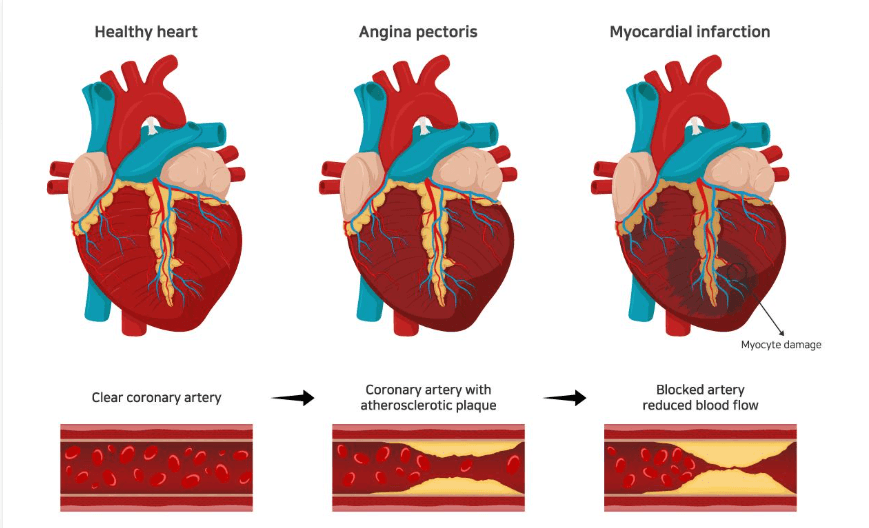
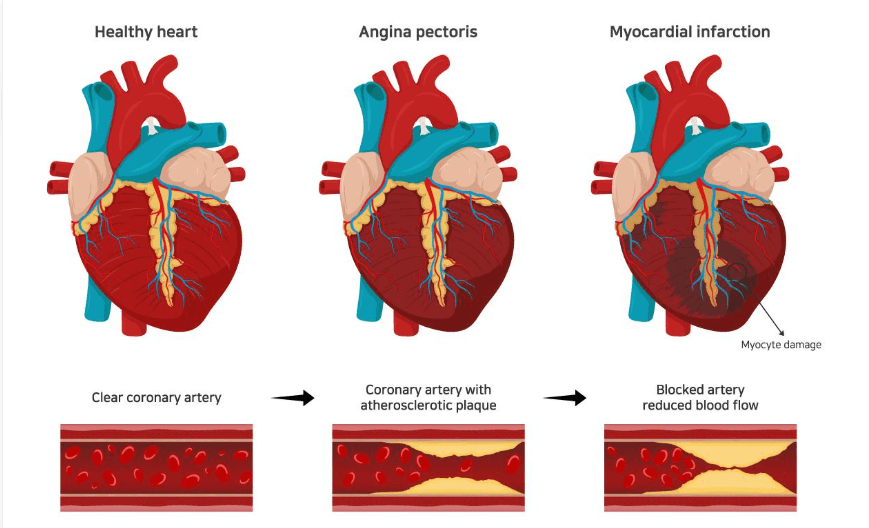
Angina is chest discomfort or pain that occurs when the heart muscle does not receive enough oxygen-rich blood. It is commonly associated with coronary artery disease, in which fatty deposits narrow the arteries supplying the heart.
Doctors often assess angina alongside coronary imaging to determine whether a patient has significant arterial narrowing. However, the new Swedish study suggests that the presence of angina itself may provide important information about future cardiovascular risk.
Researchers examined 24,176 participants who underwent coronary CT angiography and completed a standardised questionnaire. Participants were followed for a median of 7.7 years.
During follow-up, people reporting angina experienced a higher rate of heart attack or coronary death than those without angina. The association remained significant after researchers adjusted for other cardiovascular risk factors and considered the severity of coronary artery disease.
The findings indicate that chest-pain symptoms should not be dismissed simply because imaging does not show severe coronary narrowing. A complete assessment should consider symptoms, medical history, imaging results and other risk factors.
The study is observational and does not prove that angina directly causes heart attacks. Anyone experiencing new, severe or persistent chest pain should seek urgent medical evaluation.
Story Photo Gallery
Dr. Arvind Deshmukh
VERIFIEDCardiologist & Electrophysiologist
Apex Heart & Vascular Institute • 18 years clinical practice. Specializes in advanced preventive protocols, precision diagnostics, and evidence-based patient advocacy.
Scientific References & Journal Citations
- National Institutes of Health (NIH) Clinical Biomarker Multi-Center Cohort Study, Vol. 48, 2026.
- Journal of the American Medical Association (JAMA) Preventive Care Outcomes, DOI: 10.1001/jama.2026.0482.
- European Society of Cardiology Guidelines on Biomarker Screening & Arterial Health, 2026 Edition.
Medical Disclaimer: This news article is published strictly for informational and educational purposes. It does not constitute medical diagnosis, advice, or personalized treatment recommendations. Always seek the advice of your physician or other qualified health provider with any questions regarding a medical condition.