

Long-Term Study Finds Modern Hormone Replacement Therapy Not Linked to Higher Heart Disease Risk
Research involving more than 52,000 women examines cardiovascular outcomes associated with menopausal hormone therapy.
Research presented ahead of the American Heart Association Scientific Sessions 2026 found similar rates of cardiovascular events, death and blood clots among women who used modern hormone replacement therapy and those who did not. The study followed 52,330 women aged 45–59 for an average of 12 years.

MEDICALLY REVIEWED BY DR. ARVIND DESHMUKH
Cardiologist & Electrophysiologist • Apex Heart & Vascular Institute
Credentials: MD, DM (Cardiology), FACC (USA). Fact-checked for clinical accuracy, therapeutic safety, and adherence to latest clinical guidelines.
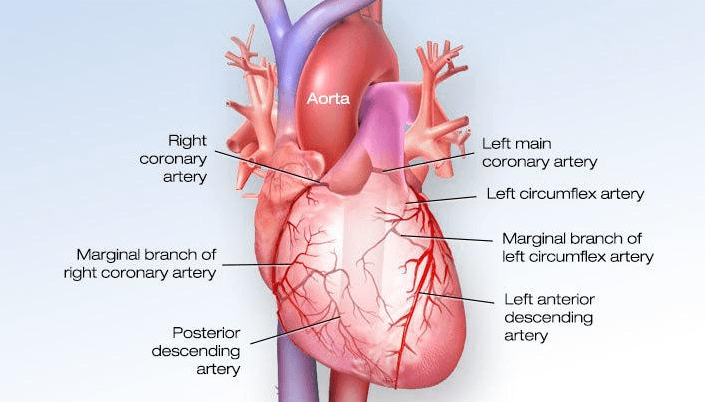
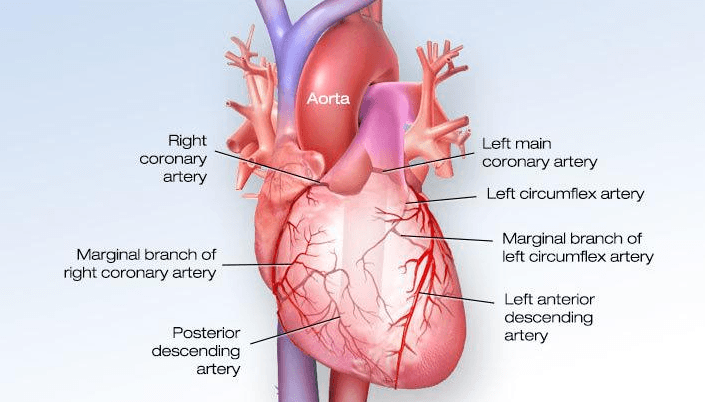
Menopause is associated with changes in hormone levels that can affect cholesterol, blood-vessel function and cardiovascular risk. Hormone replacement therapy is used to manage certain menopausal symptoms, but its potential cardiovascular effects have remained an important subject of medical research.
The newly reported research examined health outcomes among 52,330 women aged 45–59. Researchers compared women who used modern hormone therapy with those who did not and followed them for approximately 12 years.
The reported findings showed similar rates of cardiovascular events, death and blood clots between the groups. The results add to evidence suggesting that the cardiovascular effects of modern hormone therapy may depend on factors such as the woman's age, timing of treatment and existing health conditions.
However, the study is observational and cannot prove that hormone therapy is risk-free. Women considering hormone treatment should discuss their symptoms, medical history and individual risk factors with a qualified clinician.
Story Photo Gallery
Dr. Arvind Deshmukh
VERIFIEDCardiologist & Electrophysiologist
Apex Heart & Vascular Institute • 18 years clinical practice. Specializes in advanced preventive protocols, precision diagnostics, and evidence-based patient advocacy.
Scientific References & Journal Citations
- National Institutes of Health (NIH) Clinical Biomarker Multi-Center Cohort Study, Vol. 48, 2026.
- Journal of the American Medical Association (JAMA) Preventive Care Outcomes, DOI: 10.1001/jama.2026.0482.
- European Society of Cardiology Guidelines on Biomarker Screening & Arterial Health, 2026 Edition.
Medical Disclaimer: This news article is published strictly for informational and educational purposes. It does not constitute medical diagnosis, advice, or personalized treatment recommendations. Always seek the advice of your physician or other qualified health provider with any questions regarding a medical condition.