

Winter Temperatures May Increase Blood Pressure and Stroke Risk, Health Experts Warn
Cold weather can place additional strain on the cardiovascular system, particularly among older adults and people with hypertension.
A health report published on 29 October 2026 highlights the relationship between cold weather, elevated blood pressure, and stroke risk. Cold temperatures can cause blood vessels to narrow, potentially increasing blood pressure and cardiovascular strain. Older adults and people with existing heart disease or hypertension may need to take additional precautions during colder periods.

MEDICALLY REVIEWED BY DR. ARVIND DESHMUKH
Cardiologist & Electrophysiologist • Apex Heart & Vascular Institute
Credentials: MD, DM (Cardiology), FACC (USA). Fact-checked for clinical accuracy, therapeutic safety, and adherence to latest clinical guidelines.
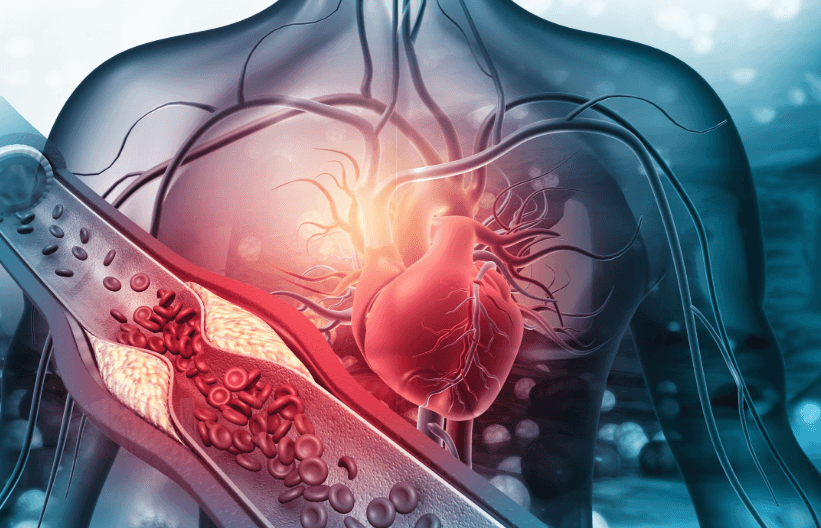
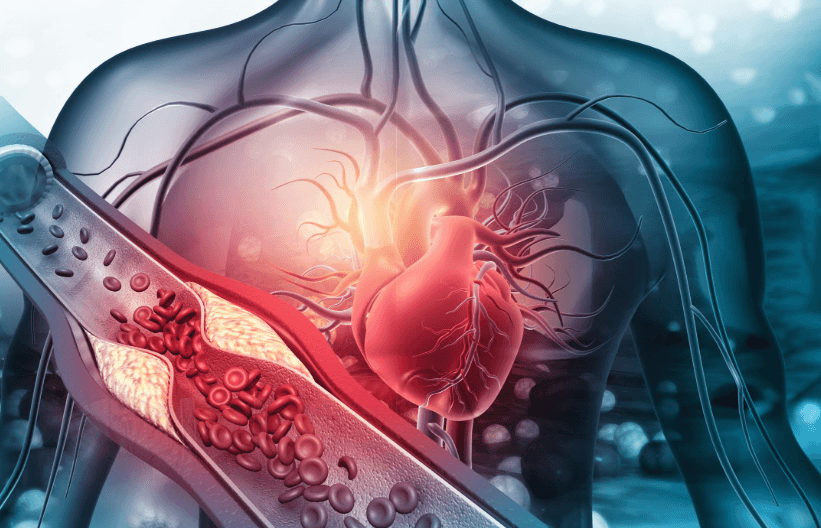
Cold weather can affect the cardiovascular system in several ways. When the body is exposed to low temperatures, blood vessels near the skin narrow to conserve heat. This process, known as vasoconstriction, can increase resistance to blood flow and raise blood pressure.
For people who already have hypertension, cardiovascular disease, or a history of stroke, additional strain on the circulatory system may be particularly important. High blood pressure is a major risk factor for both ischaemic stroke, which occurs when blood flow to part of the brain is blocked, and haemorrhagic stroke, which occurs when a blood vessel ruptures.
Cold weather can also influence activity levels, sleep patterns, and daily routines. People may exercise less outdoors, while changes in medication adherence or dietary habits can affect blood pressure management.
Preventive measures include dressing appropriately for the weather, remaining physically active in safe conditions, taking prescribed medicines as directed, and monitoring blood pressure when recommended by a healthcare professional.
Sudden facial drooping, weakness on one side of the body, difficulty speaking, or abrupt loss of balance may indicate a stroke. These symptoms require immediate emergency medical attention.
Cold weather does not mean a stroke is inevitable. Individual risk depends on several factors, including blood pressure, age, medical history, and other cardiovascular conditions.
The report reinforces the importance of maintaining regular cardiovascular care throughout the year, with additional attention to people who are already at elevated risk.
Story Photo Gallery
Dr. Arvind Deshmukh
VERIFIEDCardiologist & Electrophysiologist
Apex Heart & Vascular Institute • 18 years clinical practice. Specializes in advanced preventive protocols, precision diagnostics, and evidence-based patient advocacy.
Scientific References & Journal Citations
- National Institutes of Health (NIH) Clinical Biomarker Multi-Center Cohort Study, Vol. 48, 2026.
- Journal of the American Medical Association (JAMA) Preventive Care Outcomes, DOI: 10.1001/jama.2026.0482.
- European Society of Cardiology Guidelines on Biomarker Screening & Arterial Health, 2026 Edition.
Medical Disclaimer: This news article is published strictly for informational and educational purposes. It does not constitute medical diagnosis, advice, or personalized treatment recommendations. Always seek the advice of your physician or other qualified health provider with any questions regarding a medical condition.