

Combined Heart-Procedure Techniques Improve Stent Expansion in Severely Calcified Arteries
A randomised trial evaluates the combination of rotational atherectomy and intravascular lithotripsy before coronary stenting.
A randomised clinical trial at Mount Sinai Hospital found that combining rotational atherectomy with intravascular lithotripsy allowed coronary stents to expand more fully than intravascular lithotripsy alone in patients with severely calcified coronary nodules. The study enrolled 120 patients.

MEDICALLY REVIEWED BY DR. ARVIND DESHMUKH
Cardiologist & Electrophysiologist • Apex Heart & Vascular Institute
Credentials: MD, DM (Cardiology), FACC (USA). Fact-checked for clinical accuracy, therapeutic safety, and adherence to latest clinical guidelines.
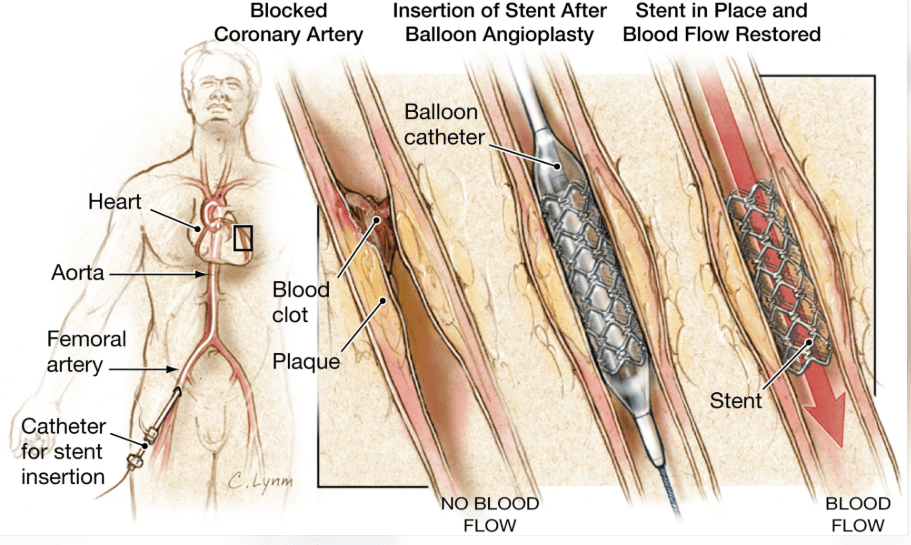
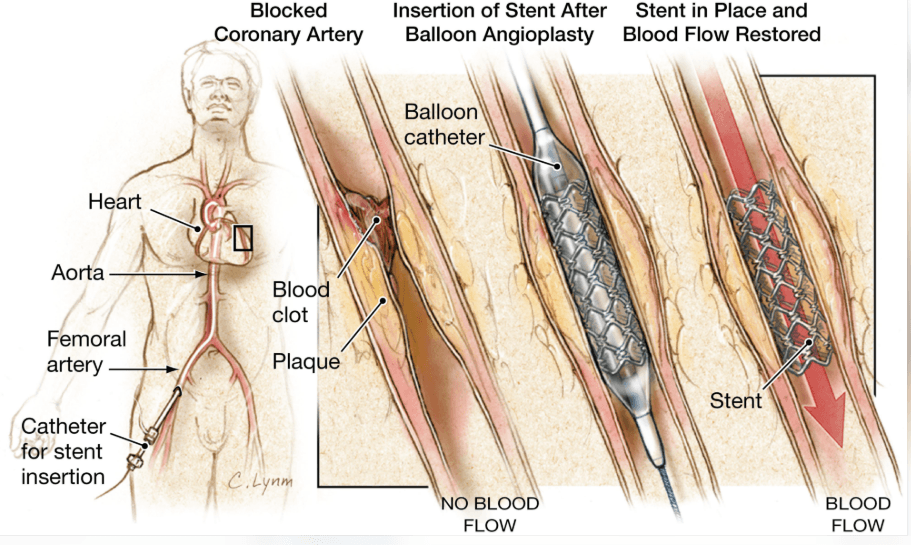
Severe calcium deposits in coronary arteries can make it difficult to expand a stent properly during angioplasty. Inadequate stent expansion can affect the result of the procedure and may increase the risk of complications.
Researchers at Mount Sinai Hospital evaluated whether combining two calcium-modification techniques could improve stent expansion. Rotational atherectomy uses a specialised device to modify hard calcium deposits, while intravascular lithotripsy uses acoustic pressure waves to fracture calcium within the artery.
The NODULE-SHOCK trial enrolled 120 patients with severely calcified coronary arteries. In the subgroup of 66 patients with calcified nodules, 33 received rotational atherectomy followed by intravascular lithotripsy, while 33 received intravascular lithotripsy alone. Optical coherence tomography was used to assess the calcium and measure the final stent expansion.
The researchers reported better stent expansion with the combined approach. The findings may help clinicians evaluate treatment strategies for complex coronary lesions. However, the study results should be considered alongside clinical outcomes, procedural risks and longer-term follow-up before changing routine practice.
Story Photo Gallery
Dr. Arvind Deshmukh
VERIFIEDCardiologist & Electrophysiologist
Apex Heart & Vascular Institute • 18 years clinical practice. Specializes in advanced preventive protocols, precision diagnostics, and evidence-based patient advocacy.
Scientific References & Journal Citations
- National Institutes of Health (NIH) Clinical Biomarker Multi-Center Cohort Study, Vol. 48, 2026.
- Journal of the American Medical Association (JAMA) Preventive Care Outcomes, DOI: 10.1001/jama.2026.0482.
- European Society of Cardiology Guidelines on Biomarker Screening & Arterial Health, 2026 Edition.
Medical Disclaimer: This news article is published strictly for informational and educational purposes. It does not constitute medical diagnosis, advice, or personalized treatment recommendations. Always seek the advice of your physician or other qualified health provider with any questions regarding a medical condition.