

Radiofrequency Renal Denervation Shows Blood Pressure Reduction in Resistant Hypertension Study
The SPYRAL AFFIRM study reports lower blood pressure six months after a catheter-based procedure.
A study presented at the Transcatheter Cardiovascular Therapeutics 2026 meeting found that radiofrequency renal denervation was associated with reduced systolic blood pressure in patients with uncontrolled hypertension. The study included 594 patients across 73 US clinical sites.

MEDICALLY REVIEWED BY DR. ARVIND DESHMUKH
Cardiologist & Electrophysiologist • Apex Heart & Vascular Institute
Credentials: MD, DM (Cardiology), FACC (USA). Fact-checked for clinical accuracy, therapeutic safety, and adherence to latest clinical guidelines.
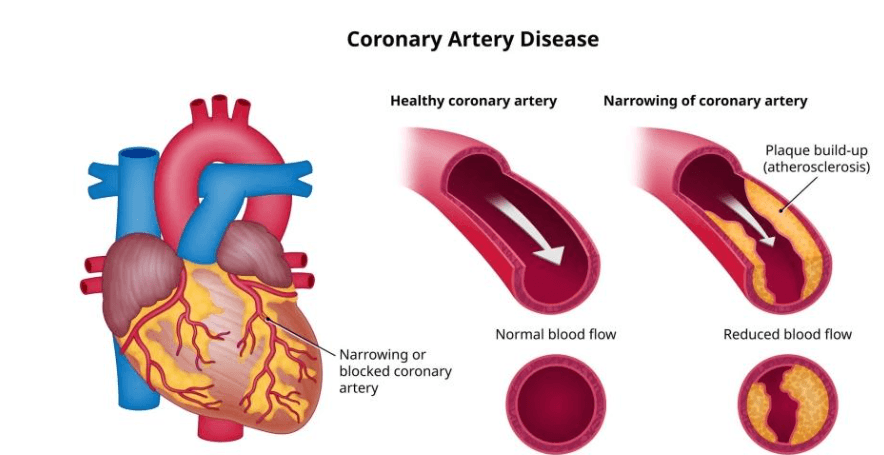
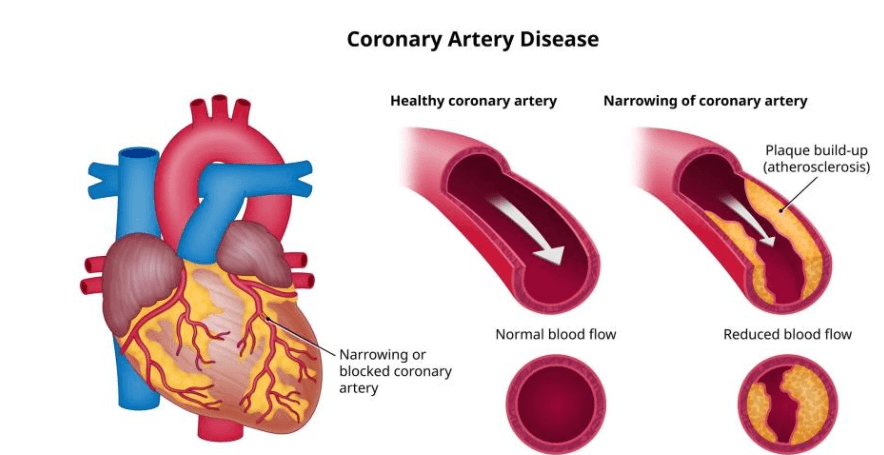
Renal denervation is a catheter-based procedure designed to reduce overactive nerve signals between the kidneys and the brain that can contribute to high blood pressure. It is being investigated as an additional treatment option for selected patients whose blood pressure remains uncontrolled despite medication.
In the SPYRAL AFFIRM study, researchers evaluated a radiofrequency renal denervation system in 594 patients. At six months, average systolic blood pressure had fallen by 18.2 mmHg in clinic measurements, 9.4 mmHg in home measurements and 9.7 mmHg in 24-hour ambulatory monitoring.
The researchers reported that 86.1% of evaluable patients experienced a defined clinical benefit. Serious adverse events were uncommon during the reported follow-up period.
However, the study was observational and did not include a sham-control group. It also did not test medication adherence. Therefore, the results are encouraging but do not establish that renal denervation should replace standard hypertension medicines.
Story Photo Gallery
Dr. Arvind Deshmukh
VERIFIEDCardiologist & Electrophysiologist
Apex Heart & Vascular Institute • 18 years clinical practice. Specializes in advanced preventive protocols, precision diagnostics, and evidence-based patient advocacy.
Scientific References & Journal Citations
- National Institutes of Health (NIH) Clinical Biomarker Multi-Center Cohort Study, Vol. 48, 2026.
- Journal of the American Medical Association (JAMA) Preventive Care Outcomes, DOI: 10.1001/jama.2026.0482.
- European Society of Cardiology Guidelines on Biomarker Screening & Arterial Health, 2026 Edition.
Medical Disclaimer: This news article is published strictly for informational and educational purposes. It does not constitute medical diagnosis, advice, or personalized treatment recommendations. Always seek the advice of your physician or other qualified health provider with any questions regarding a medical condition.