

Scientists Develop First Human Tissue Model of Inherited Cardiomyopathy
Washington University researchers create a laboratory model to investigate how a genetic mutation damages heart muscle.
Researchers at Washington University developed a human tissue model of CRYAB-linked desmin-related cardiomyopathy using engineered heart tissue and induced pluripotent stem cells. The model could help scientists investigate disease mechanisms and evaluate potential treatments.

MEDICALLY REVIEWED BY DR. ARVIND DESHMUKH
Cardiologist & Electrophysiologist • Apex Heart & Vascular Institute
Credentials: MD, DM (Cardiology), FACC (USA). Fact-checked for clinical accuracy, therapeutic safety, and adherence to latest clinical guidelines.
Inherited cardiomyopathies are disorders in which genetic changes affect the structure or function of the heart muscle. Some forms can cause abnormal heart enlargement, weakened pumping ability, irregular heart rhythms and, in severe cases, heart failure.
One inherited condition is desmin-related cardiomyopathy associated with changes in the CRYAB gene. This gene produces a protein involved in protecting other proteins from damage and maintaining normal cellular function.
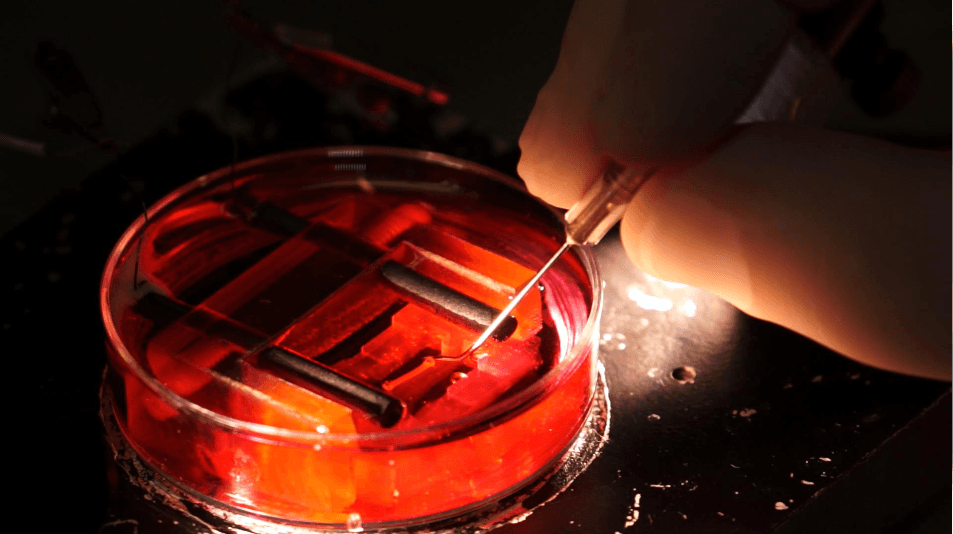
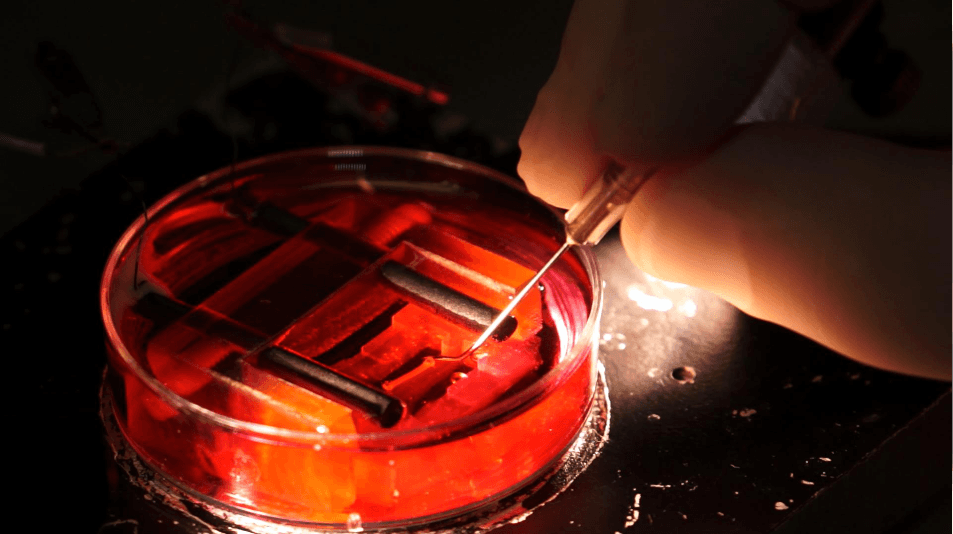
Researchers at Washington University have developed a human tissue model to study this condition. The model uses induced pluripotent stem cells and micro-engineered heart tissue to reproduce aspects of the disease in a laboratory setting.
The researchers reported that the model expresses mutant CRYAB at levels closer to those observed in human disease, addressing limitations of some earlier animal models. Their work also examined problems involving cellular protein quality control.
The model could help researchers investigate how the mutation affects heart-muscle cells and test possible treatment strategies. It is an experimental research tool, not a treatment currently available to patients.
Story Photo Gallery
Dr. Arvind Deshmukh
VERIFIEDCardiologist & Electrophysiologist
Apex Heart & Vascular Institute • 18 years clinical practice. Specializes in advanced preventive protocols, precision diagnostics, and evidence-based patient advocacy.
Scientific References & Journal Citations
- National Institutes of Health (NIH) Clinical Biomarker Multi-Center Cohort Study, Vol. 48, 2026.
- Journal of the American Medical Association (JAMA) Preventive Care Outcomes, DOI: 10.1001/jama.2026.0482.
- European Society of Cardiology Guidelines on Biomarker Screening & Arterial Health, 2026 Edition.
Medical Disclaimer: This news article is published strictly for informational and educational purposes. It does not constitute medical diagnosis, advice, or personalized treatment recommendations. Always seek the advice of your physician or other qualified health provider with any questions regarding a medical condition.