

Survival Improves for Children Receiving Ventricular Assist Devices Despite Increasing Medical Complexity
Updated pediatric cardiac registry findings highlight progress in advanced treatment for children with severe heart failure.
A pediatric cardiology report published on 16 October 2026 highlighted improved survival among children receiving ventricular assist devices, despite increasing complexity in the patients being treated. These mechanical devices help support blood circulation when a child's heart cannot pump enough blood to meet the body's needs. The findings point to progress in specialized cardiac care, although individual outcomes depend on the underlying heart condition, complications, and treatment setting.

MEDICALLY REVIEWED BY DR. ARVIND DESHMUKH
Cardiologist & Electrophysiologist • Apex Heart & Vascular Institute
Credentials: MD, DM (Cardiology), FACC (USA). Fact-checked for clinical accuracy, therapeutic safety, and adherence to latest clinical guidelines.
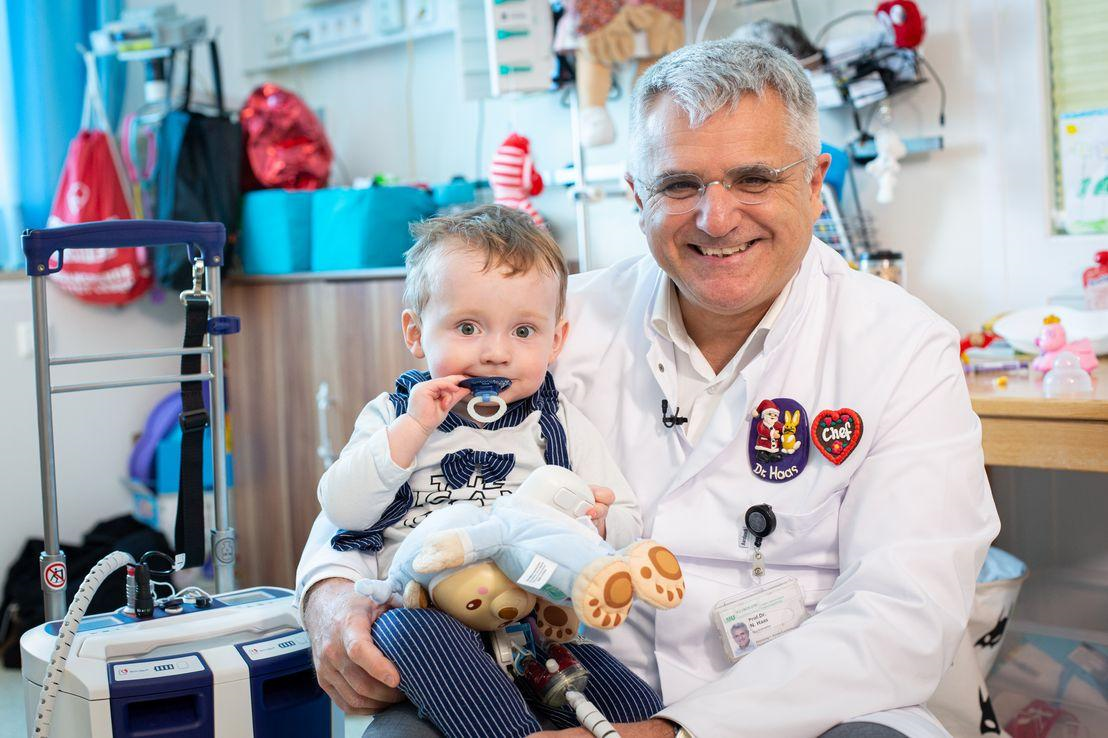
Heart failure in children occurs when the heart cannot pump blood adequately to meet the body's needs. It can result from congenital heart defects, cardiomyopathy, myocarditis, or other conditions that impair heart function. Severe pediatric heart failure can affect growth, feeding, breathing, activity levels, and the function of other organs. In advanced cases, children may require intensive care, specialized medication, mechanical circulatory support, or heart transplantation. A ventricular assist device (VAD) is a mechanical pump that helps move blood from the heart to the circulation. Depending on the child's condition, the device may be used temporarily while the heart recovers, as a bridge to transplantation, or as longer-term support for selected patients. A report published on 16 October 2026 summarized updated findings from the Society of Thoracic Surgeons Pediatric Interagency Registry for Mechanical Circulatory Support, known as STS-Pedimacs. The report highlighted improved survival despite increasing complexity among children receiving VAD support. The finding is important because children requiring mechanical circulatory support often have serious underlying illnesses. Some have congenital heart disease, previous cardiac operations, or complications affecting other organs. Outcomes depend on factors such as the type of device, age, body size, severity of heart failure, infection risk, bleeding, clot formation, and the experience of the treating center. Mechanical support can provide life-sustaining circulation, but it also requires careful monitoring. Potential complications include device malfunction, infection, bleeding, and stroke. Medical significance: Improving outcomes in pediatric mechanical circulatory support may expand the options available to children with advanced heart failure. The findings relate to highly specialized hospital care and should not be interpreted as meaning that VADs are suitable for every child with a cardiac condition.
Story Photo Gallery
Dr. Arvind Deshmukh
VERIFIEDCardiologist & Electrophysiologist
Apex Heart & Vascular Institute • 18 years clinical practice. Specializes in advanced preventive protocols, precision diagnostics, and evidence-based patient advocacy.
Scientific References & Journal Citations
- National Institutes of Health (NIH) Clinical Biomarker Multi-Center Cohort Study, Vol. 48, 2026.
- Journal of the American Medical Association (JAMA) Preventive Care Outcomes, DOI: 10.1001/jama.2026.0482.
- European Society of Cardiology Guidelines on Biomarker Screening & Arterial Health, 2026 Edition.
Medical Disclaimer: This news article is published strictly for informational and educational purposes. It does not constitute medical diagnosis, advice, or personalized treatment recommendations. Always seek the advice of your physician or other qualified health provider with any questions regarding a medical condition.