

Advanced Brain Imaging May Help Selected Stroke Patients Benefit From Clot Removal Up to 72 Hours Later
Clinical research examines the potential benefits and risks of delayed mechanical thrombectomy.
A study published in The New England Journal of Medicine found that selected patients with large-vessel ischaemic stroke may experience better functional recovery when treated with mechanical thrombectomy 24–72 hours after symptom onset. However, the procedure also increased certain serious complications.

MEDICALLY REVIEWED BY DR. ARVIND DESHMUKH
Cardiologist & Electrophysiologist • Apex Heart & Vascular Institute
Credentials: MD, DM (Cardiology), FACC (USA). Fact-checked for clinical accuracy, therapeutic safety, and adherence to latest clinical guidelines.
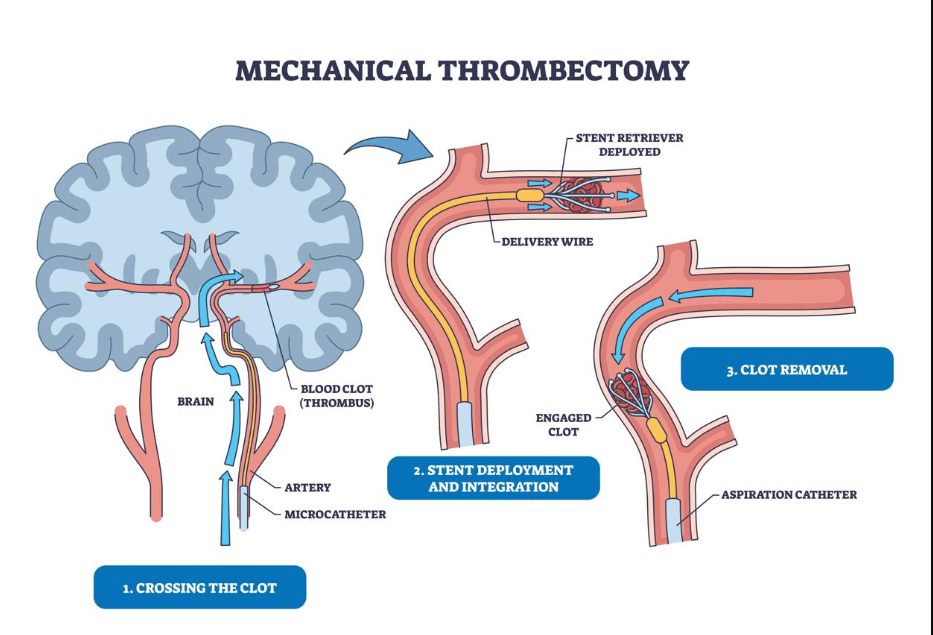
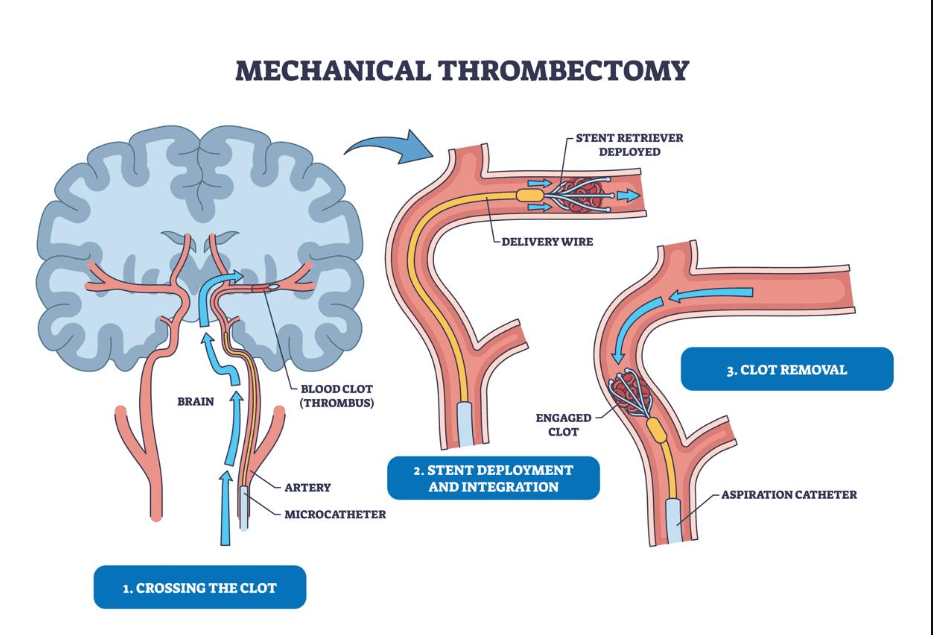
An ischaemic stroke occurs when a blood clot blocks an artery supplying the brain. The resulting interruption in blood flow deprives brain cells of oxygen and nutrients, potentially causing permanent damage.
Mechanical thrombectomy is a specialised procedure in which doctors guide a catheter through a blood vessel to the blocked artery and remove the clot. It is an established treatment for selected patients, but the benefits of performing it more than 24 hours after stroke onset have been less certain.
The clinical trial included 336 patients with blockage in a major artery supplying the front part of the brain. Researchers used advanced brain imaging to identify patients who still had potentially recoverable brain tissue.
Patients receiving clot removal generally had better functional outcomes after 90 days than those receiving standard medical care alone. However, symptomatic brain bleeding occurred in 4.8% of the treatment group, compared with none in the control group. Death rates were also higher in the intervention group.
The findings suggest that selected patients may benefit from specialist assessment even after a delayed hospital arrival. They do not mean that patients should wait before seeking emergency treatment. Every minute remains important during a stroke.
Story Photo Gallery
Dr. Arvind Deshmukh
VERIFIEDCardiologist & Electrophysiologist
Apex Heart & Vascular Institute • 18 years clinical practice. Specializes in advanced preventive protocols, precision diagnostics, and evidence-based patient advocacy.
Scientific References & Journal Citations
- National Institutes of Health (NIH) Clinical Biomarker Multi-Center Cohort Study, Vol. 48, 2026.
- Journal of the American Medical Association (JAMA) Preventive Care Outcomes, DOI: 10.1001/jama.2026.0482.
- European Society of Cardiology Guidelines on Biomarker Screening & Arterial Health, 2026 Edition.
Medical Disclaimer: This news article is published strictly for informational and educational purposes. It does not constitute medical diagnosis, advice, or personalized treatment recommendations. Always seek the advice of your physician or other qualified health provider with any questions regarding a medical condition.