

Amazon Announces $100 Million Healthcare Initiative to Address Health Gaps, Prioritising Women and Children
Five-year initiative will provide AI technology, cloud infrastructure, and digital healthcare resources to organisations serving underserved communities.
Amazon Web Services announced a US$100 million Health Impact Initiative on 25 November 2026 to address healthcare gaps affecting underserved populations. The five-year programme will provide AI services, AI-agent technology, and cloud computing infrastructure to organisations developing healthcare solutions, with women and children's health among its priority areas.

MEDICALLY REVIEWED BY DR. ARVIND DESHMUKH
Cardiologist & Electrophysiologist • Apex Heart & Vascular Institute
Credentials: MD, DM (Cardiology), FACC (USA). Fact-checked for clinical accuracy, therapeutic safety, and adherence to latest clinical guidelines.
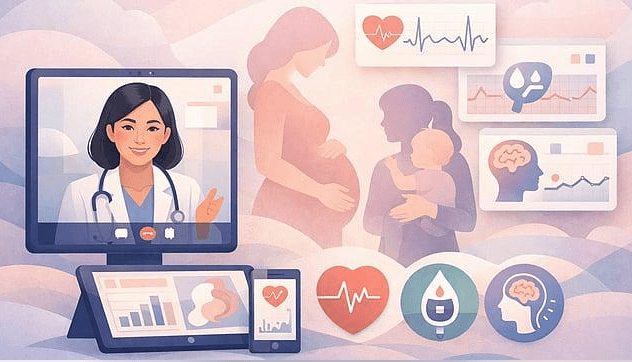
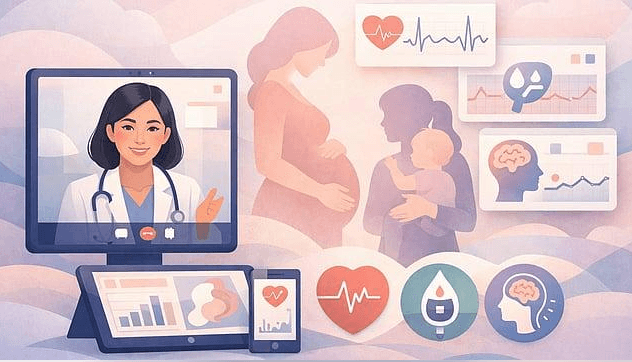
Healthcare access remains unequal across many parts of the world. Women and children in underserved communities may face barriers involving medical facilities, specialist consultations, preventive screening, maternal care, and access to reliable health information.
Digital healthcare technologies are increasingly being explored as ways to address these challenges.
On 25 November 2026, Amazon Web Services announced a US$100 million Health Impact Initiative designed to support organisations working to reduce healthcare inequalities.
The programme is planned as a five-year initiative and will provide technology resources including artificial intelligence services, AI-agent capabilities, and cloud computing infrastructure.
Women and children's health have been identified among the programme's priority areas.
AI and cloud technology can potentially support healthcare services in several ways. Organisations may use digital systems to analyse health data, manage patient information, improve service delivery, assist research, and develop tools for populations that face limited access to healthcare.
For women's health, technology-supported programmes may have applications in maternal care, reproductive health education, screening support, and improving access to healthcare information.
For children, digital systems may help healthcare organisations improve preventive care, monitor health programmes, and coordinate services.
However, technology cannot replace qualified healthcare professionals. AI-generated healthcare information must be evaluated carefully, particularly when it involves diagnosis, treatment, medications, pregnancy, or children's health.
Privacy and data protection are also important concerns. Healthcare organisations must ensure that sensitive information is appropriately protected and that digital systems are used responsibly.
The initiative highlights the growing role of technology companies in supporting healthcare innovation and expanding access to services.
Its long-term impact will depend on how participating organisations use the resources, whether solutions reach underserved populations, and whether measurable improvements in healthcare access and outcomes are achieved.
Story Photo Gallery
Dr. Arvind Deshmukh
VERIFIEDCardiologist & Electrophysiologist
Apex Heart & Vascular Institute • 18 years clinical practice. Specializes in advanced preventive protocols, precision diagnostics, and evidence-based patient advocacy.
Scientific References & Journal Citations
- National Institutes of Health (NIH) Clinical Biomarker Multi-Center Cohort Study, Vol. 48, 2026.
- Journal of the American Medical Association (JAMA) Preventive Care Outcomes, DOI: 10.1001/jama.2026.0482.
- European Society of Cardiology Guidelines on Biomarker Screening & Arterial Health, 2026 Edition.
Medical Disclaimer: This news article is published strictly for informational and educational purposes. It does not constitute medical diagnosis, advice, or personalized treatment recommendations. Always seek the advice of your physician or other qualified health provider with any questions regarding a medical condition.