

New Analysis Compares Bone-Strengthening Medicines After Low-Trauma Fractures
Australian cohort research finds differences in repeat-fracture risk between bisphosphonates and denosumab.
A study published in JAMA Network Open compared nitrogen-containing bisphosphonates with denosumab among 15,099 adults treated after low-trauma fractures. Bisphosphonate initiation was associated with a higher risk of refracture, while the study found no clear difference in all-cause mortality.

MEDICALLY REVIEWED BY DR. ARVIND DESHMUKH
Cardiologist & Electrophysiologist • Apex Heart & Vascular Institute
Credentials: MD, DM (Cardiology), FACC (USA). Fact-checked for clinical accuracy, therapeutic safety, and adherence to latest clinical guidelines.
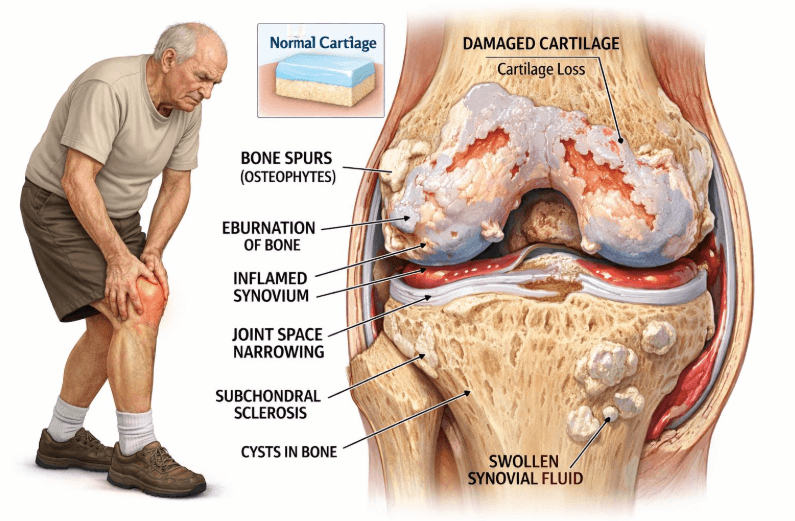
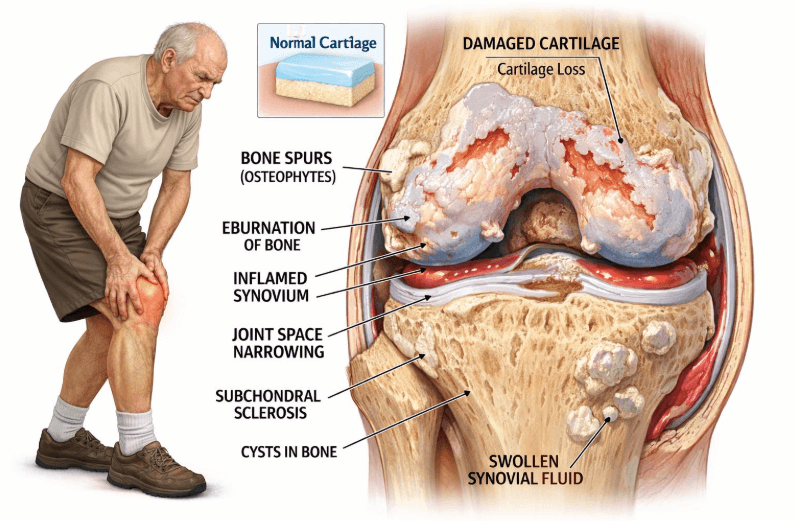
Low-trauma fractures occur when bones break after a relatively minor fall or injury. They are often associated with osteoporosis, a condition that weakens bones and increases fracture risk.
After a fracture, patients may be prescribed antiresorptive medicines to reduce further bone loss. Two commonly used treatment approaches include nitrogen-containing bisphosphonates and denosumab.
Researchers in Australia compared outcomes among 15,099 adults aged 50 years or older who began osteoporosis treatment after a low-trauma fracture. The study used linked health records and a target-trial emulation approach to compare the two treatment groups.
The researchers found that starting nitrogen-containing bisphosphonates was associated with a higher risk of another fracture compared with denosumab in both men and women. However, there was no clear difference in all-cause mortality between the treatment groups.
These findings may help clinicians consider treatment selection and follow-up after fractures. However, the study is observational, and the results do not prove that one medicine is universally better for every patient.
Treatment decisions should consider fracture history, kidney function, other medical conditions, medication suitability, cost and the patient's overall risk profile. Patients should not change osteoporosis medication without consulting their treating doctor.
Story Photo Gallery
Dr. Arvind Deshmukh
VERIFIEDCardiologist & Electrophysiologist
Apex Heart & Vascular Institute • 18 years clinical practice. Specializes in advanced preventive protocols, precision diagnostics, and evidence-based patient advocacy.
Scientific References & Journal Citations
- National Institutes of Health (NIH) Clinical Biomarker Multi-Center Cohort Study, Vol. 48, 2026.
- Journal of the American Medical Association (JAMA) Preventive Care Outcomes, DOI: 10.1001/jama.2026.0482.
- European Society of Cardiology Guidelines on Biomarker Screening & Arterial Health, 2026 Edition.
Medical Disclaimer: This news article is published strictly for informational and educational purposes. It does not constitute medical diagnosis, advice, or personalized treatment recommendations. Always seek the advice of your physician or other qualified health provider with any questions regarding a medical condition.