

Glucose Monitoring Devices May Improve Diabetes Management Beyond Insulin Users
A reported trial found better glucose-control measurements among adults with type 2 diabetes using continuous monitoring.
A Reuters report published on 16 October described a six-month trial in which continuous glucose monitoring helped adults with type 2 diabetes who were not using insulin improve their blood-sugar measurements. The trial was sponsored by device maker Dexcom.

MEDICALLY REVIEWED BY DR. ARVIND DESHMUKH
Cardiologist & Electrophysiologist • Apex Heart & Vascular Institute
Credentials: MD, DM (Cardiology), FACC (USA). Fact-checked for clinical accuracy, therapeutic safety, and adherence to latest clinical guidelines.
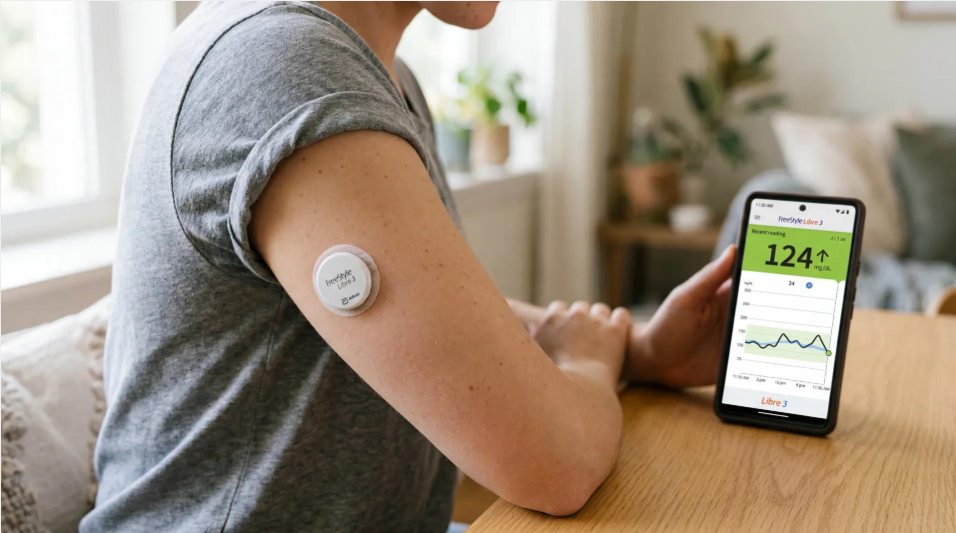
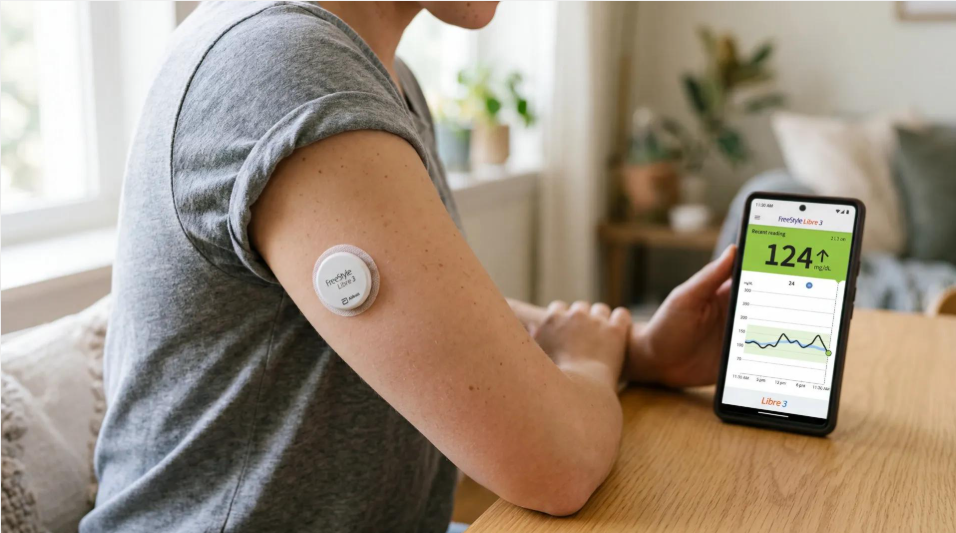
Continuous glucose monitors use a wearable sensor to track glucose levels throughout the day. The readings can show how food, physical activity, sleep and medication relate to glucose changes, giving patients and clinicians a more complete picture than occasional measurements alone. In the reported trial, 283 adults with type 2 diabetes who were not using insulin received continuous glucose monitoring or routine care. The monitoring group showed a larger reduction in average HbA1c, a measure of blood-glucose control over time, and spent more time within the study's target glucose range. These findings suggest that monitoring may be useful for some people even before insulin treatment becomes necessary. However, the study's industry sponsorship should be considered, and the cost, accessibility and suitability of monitoring devices differ among patients. A glucose monitor does not replace prescribed medicines, healthy eating, physical activity or regular clinical review. Patients should discuss whether continuous monitoring would be useful for their individual care plan.
Story Photo Gallery
Dr. Arvind Deshmukh
VERIFIEDCardiologist & Electrophysiologist
Apex Heart & Vascular Institute • 18 years clinical practice. Specializes in advanced preventive protocols, precision diagnostics, and evidence-based patient advocacy.
Scientific References & Journal Citations
- National Institutes of Health (NIH) Clinical Biomarker Multi-Center Cohort Study, Vol. 48, 2026.
- Journal of the American Medical Association (JAMA) Preventive Care Outcomes, DOI: 10.1001/jama.2026.0482.
- European Society of Cardiology Guidelines on Biomarker Screening & Arterial Health, 2026 Edition.
Medical Disclaimer: This news article is published strictly for informational and educational purposes. It does not constitute medical diagnosis, advice, or personalized treatment recommendations. Always seek the advice of your physician or other qualified health provider with any questions regarding a medical condition.